Australia’s drug regulator says counterfeit Botox vials—made to appear as Allergan products—continue to be imported despite a previous warning.
Australia’s drug regulator is warning clinicians and consumers that counterfeit Botox continues to enter the country, months after an initial alert was issued in mid-2025.
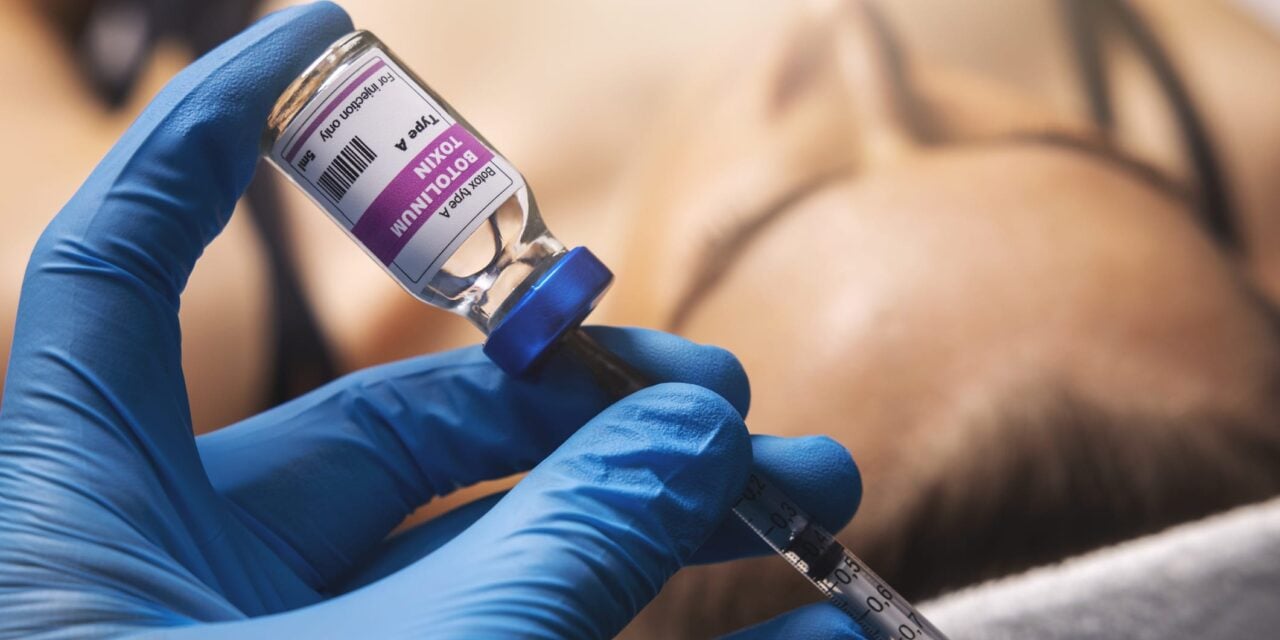
In a safety advisory, the Therapeutic Goods Administration (TGA) says it has identified additional imports of counterfeit Botox vials that were made to appear as genuine products manufactured by Allergan, an AbbVie subsidiary.
According to the TGA, AbbVie has confirmed that Botox vials bearing batch number C8478C4 are not authentic. The regulator previously identified counterfeit products labeled with batch numbers C7211C4 and HA 33946 in a July 2025 warning.
“Counterfeit products have not been assessed by us for quality, safety, or efficacy,” the TGA says in the advisory, adding that such products “pose a significant public health and safety risk and should not be used.”
Online Purchases a Common Source
As with the earlier alert, the TGA says the counterfeit Botox was purchased online from overseas websites rather than through Australian pharmacies. The agency warned that manufacturers of counterfeit goods are producing products that may closely resemble legitimate injectables, underscoring the importance of sourcing medications through authorized channels.
Botulinum toxin products are prescription-only medicines in Australia. While individuals with valid prescriptions may legally import some prescription medicines for personal use, the TGA emphasizes that counterfeit products are never permitted under the country’s Personal Importation Scheme.
“Importing, supplying, and/or giving away counterfeit therapeutic goods is illegal,” the agency says in the alert.
Guidance for Healthcare Professionals
The TGA cautions that patients seeking cosmetic injectables face an increased risk of adverse events when injected with products that have not been approved for supply in Australia.
“Administering counterfeit products puts your patients at increased risk,” the advisory states.
The regulator reminds clinicians that only approved suppliers listed on the Australian Register of Therapeutic Goods, or their authorized agents, may legally import cosmetic injectables for commercial use. Products imported for clinical administration must be manufactured and approved specifically for the Australian market, unless accessed through approved pathways such as the Special Access Scheme.
The TGA also highlights concerns related to parallel imports, including improper cold-chain storage, which can compromise product viability. Internationally, cold-chain failures have been linked to cases of acquired botulism following cosmetic injection procedures, the agency notes.
What to Do If Counterfeit Botox Is Suspected
The TGA advises consumers and clinicians not to use Botox products bearing the identified counterfeit batch numbers and to take any remaining product to a local pharmacy for safe disposal. Healthcare providers are encouraged to report suspected adverse events and retain the product when possible, as it may be requested for testing.
The agency says it will continue monitoring batch numbers and has notified border authorities to seize and destroy counterfeit products intercepted at the border.
ID 208910288 © Ronstik | Dreamstime.com