
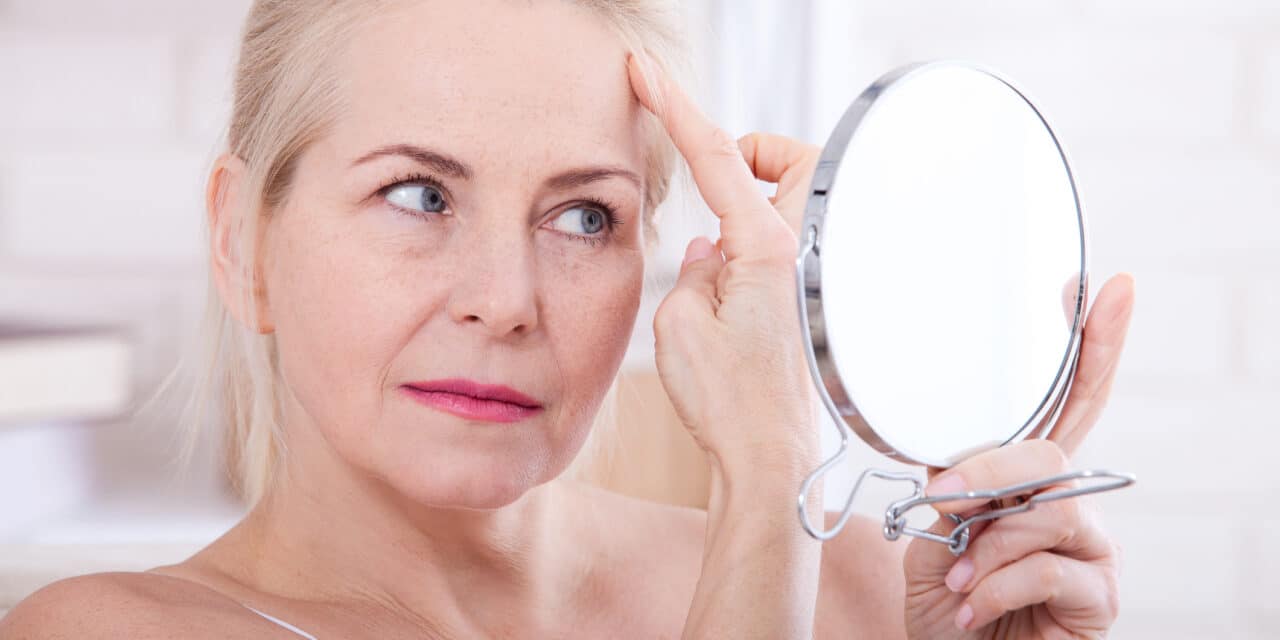
AAFPRS survey data show 45% of facial plastic surgeons report more female patients citing menopause or perimenopause as a reason for treatment, up from 28% in 2024.
New data from the American Academy of Facial Plastic and Reconstructive Surgery (AAFPRS) indicate that women are increasingly discussing menopause and perimenopause when seeking treatment for facial aging. According to the AAFPRS 2025 annual member survey, 45% of facial plastic surgeons said more female patients are referencing menopause or perimenopause as a reason for treatment, compared with 28% in 2024.
Patients Make the Connection Between Menopause and Facial Changes
“Menopause can bring noticeable changes to the skin and face, and patients are increasingly making that connection when they come in for a consultation,” says double board-certified facial plastic surgeon Dr Anthony Brissett, President of the AAFPRS and Division Chief, Facial Plastic and Reconstructive Surgery of Houston Methodist. “What we are seeing is a greater willingness to talk openly about those effects and to ask what is happening, what is normal, and what options may exist. Our goal is to empower women with knowledge and help them navigate this life stage with confidence.”
Hormonal changes during menopause can affect skin thickness, elasticity, hydration, and collagen production. Changes in facial volume and texture may also become more noticeable. For some women, these changes can include increased skin laxity, dryness, changes in facial contours, or a sense that their face is changing more quickly than it previously did.
The degree and timing of these effects can vary considerably among patients, according to the AAFPRS.
Consultation Should Consider Overall Health and Patient Goals
“For facial plastic surgeons, the important part of this conversation is understanding the patient’s concerns in the context of her overall health and where she is in the menopause transition,” says Brissett. “There is no single way that menopause affects the face, and there is no single approach to addressing those concerns. A thoughtful consultation should begin with listening and understanding the patient’s goals.”
The AAFPRS encourages women considering aesthetic treatment to discuss their concerns with a qualified, board-certified facial plastic surgeon. The organization and its members also emphasize that appearance is only one part of menopause and advise women with menopause-related symptoms or concerns to speak with appropriate healthcare providers about their overall health and individual needs.
Photo: ID 110216566 © Victorrustle | Dreamstime.com