
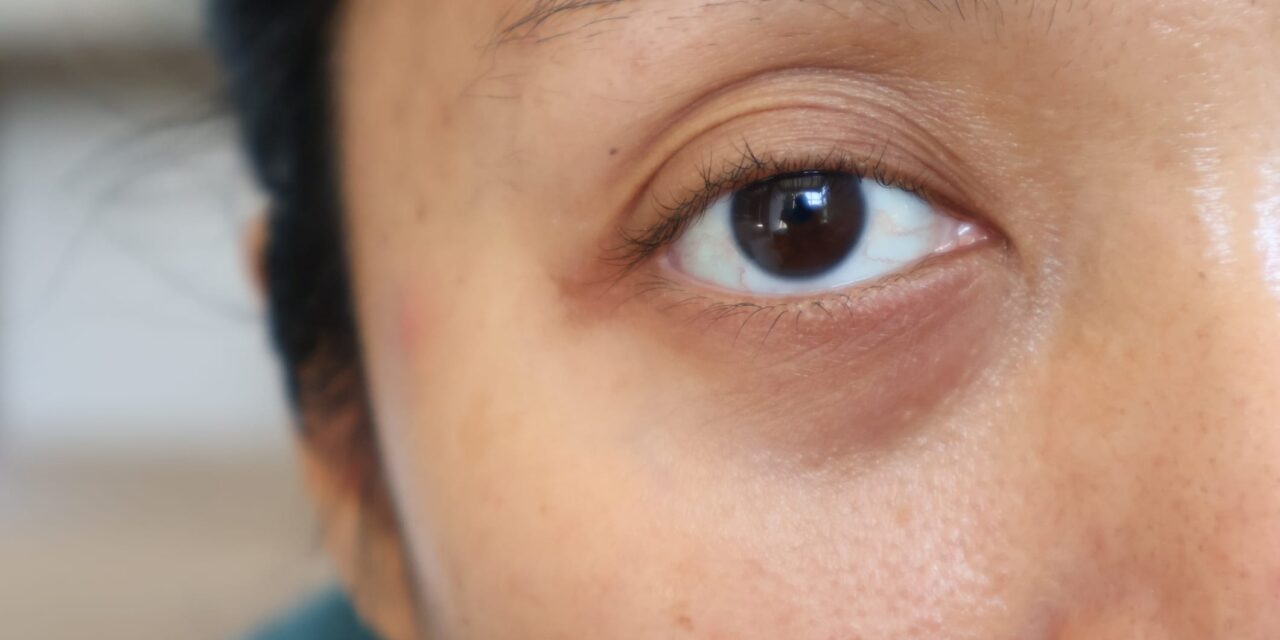
The trials will investigate whether rhPDGF-BB can improve infraorbital hollowing and stimulate collagen, elastin, and other changes in facial skin.
The US Food and Drug Administration (FDA) has accepted two new investigational new drug applications for investigator-initiated studies of injectable recombinant human platelet-derived growth factor-BB (rhPDGF-BB) in regenerative aesthetics, according to Lynch Regenerative Medicine, the company supporting the research.
Michael Somenek, MD, a double board-certified facial plastic surgeon, will lead a study of the cellular effects of rhPDGF-BB in facial skin. Sarah Allen, MD, a double board-certified physician and founder and chief medical officer of Skin Clique, will lead a study of the safety and efficacy of undereye injections for infraorbital hollowing.
The announcement follows the company’s recent authorization of a separate Phase IIb clinical trial of injectable rhPDGF-BB for infraorbital hollowing. The investigator-initiated studies will explore complementary questions, looking at the biological activity and mechanism of action of rhPDGF-BB in facial skin, as well as its potential to improve the appearance of the undereye area.
“We are pleased to collaborate with these two highly regarded physicians,” says Samuel Lynch, founder and CEO of Lynch Regenerative Medicine, in a release. “Dr Somenek’s study will further elucidate the mechanism of action of pure PDGF when injected specifically into facial skin, while Dr Allen’s study will complement LRM’s ongoing Phase 2 multi-center trial for treatment of [infraorbital hollowing].”
Cellular Effects in Facial Skin
Somenek’s trial will enroll 12 participants who will receive rhPDGF-BB injections into facial skin. Skin biopsies will be taken at seven days, 14 days, 28 days, or eight weeks after injection to assess changes in gene and protein expression, including changes in the natural production of collagen, elastin, and other components of the extracellular matrix. Study completion is anticipated in the second quarter of 2027.
“I’m pleased to lead this investigator-initiated study examining the effects of injectable rhPDGF-BB on the skin,” says Somenek in a release. “By assessing changes at the cellular level, we hope to advance the science of PDGF in aesthetics.”
Under-Eye Treatment for Infraorbital Hollowing
Allen’s trial will evaluate the safety and efficacy of under-eye rhPDGF-BB injections for infraorbital hollowing in 30 participants. Investigators will assess whether pure PDGF-BB can improve skin quality, reduce the appearance of tear trough deformity and dark shadows, and improve the thickness, smoothness, and brightness of under-eye skin 12 weeks after injection. The study is expected to be completed in the third quarter of 2027.
“Platelet-derived growth factor is not new to medicine,” says Allen in a release. “Our colleagues in orthopedics, oral and maxillofacial surgery, and wound care have used rhPDGF-BB for decades, and that long record of clinical experience is what has given me the confidence to study it in aesthetics.”
He adds, “If we want to move aesthetic medicine forward safely, physicians and investigators must be part of the solution, and that means participating in structured clinical trials that put patient safety first. Infraorbital hollowing is one of the most common concerns patients bring to us, yet treatment options have changed very little in more than two decades. I am excited to participate in determining whether a regenerative approach has a place in treating this area.”
The company says the uses of rhPDGF-BB being evaluated in the studies are investigational and have not been approved by the FDA. Lynch Regenerative Medicine also markets ariessence pure PDGF+, a topical cosmetic product containing rhPDGF-BB and hyaluronic acid that is intended to improve the appearance of skin. The injectable applications under investigation are distinct from that product.