
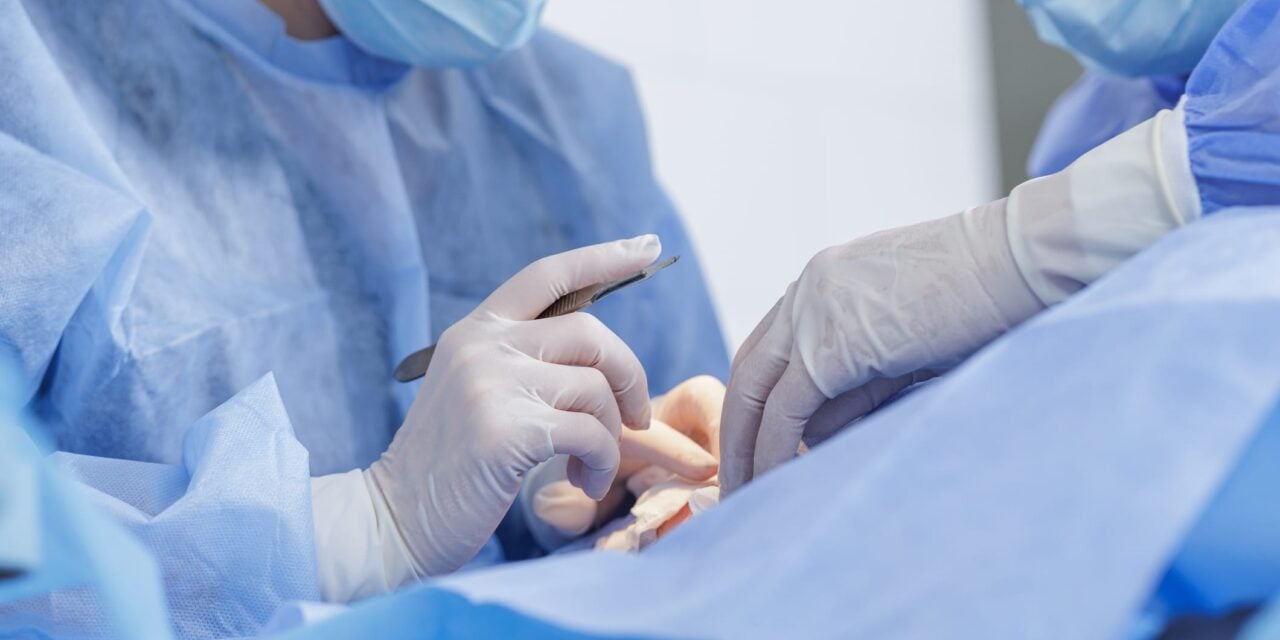
From initial injury through long-term follow-up, reconstructive plastic surgery helps restore function and support recovery after traumatic events.
Reconstructive plastic surgery is often central to trauma recovery, addressing injuries that affect both function and appearance. By intervening early and guiding post-operative recovery, plastic surgeons help patients regain stability and return to daily life following accidents, falls, or other events that damage skin, soft tissue, or underlying structures.
According to the American Society of Plastic Surgeons, more than 1 million reconstructive procedures were performed in 2024, up 2% from 2023.
Thomas Howard, MD, FACS, an Aspirus board-certified plastic surgeon, says initial trauma care begins with emergency response. Once stabilized, patients are evaluated to determine the extent of the injury. In cases involving complex soft tissue damage, particularly to the face or hands, a plastic surgeon may be consulted. “We assess important structures like the lips, eyelids, and nose,” says Howard in a release. “Sometimes this means taking a patient to the operating room right away to perform a meticulous repair.”
The recovery timeline varies by injury but often follows a predictable pattern. “The first week is usually the most difficult,” says Howard in a release. “Swelling, bruising, and discomfort are normal. By two to three weeks, most patients begin to see noticeable improvements. Full recovery can take several months.”
Howard recommends an approach he calls “active recovery.” Howard emphasizes that early recovery requires active patient participation, including hydration, nutrition, mobility, and adherence to post-operative instructions. He also urges patients to trust their instincts. “If something feels off, contact your provider. Peace of mind can reduce stress and support better healing.”
While every recovery is different, the goal of reconstructive surgery remains the same: to help patients return to their lives with restored function and confidence. Ongoing follow-up care is often part of the process, ensuring that healing is on track and any concerns are addressed early.
Reconstructive plastic surgery offers patients a path forward after injury by focusing on restoring both form and function, he says.
ID 411800218 © Sergii Kolesnikov | Dreamstime.com