
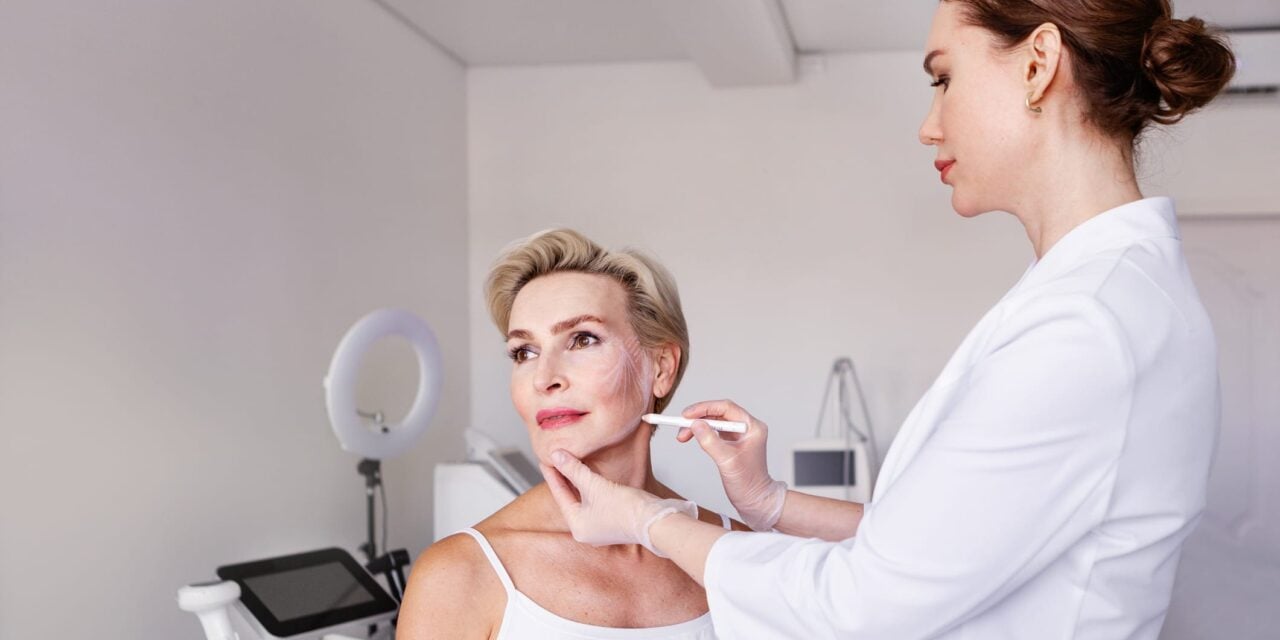
Research suggests patients using medical weight loss drugs are increasingly seeking treatments for facial volume loss and other appearance changes.
New data from Allergan Aesthetics suggests that the growing use of medical weight loss medications is changing the types of concerns patients bring to aesthetic practices.
According to the company, patients using GLP-1 medications are increasingly seeking treatments related to facial appearance, particularly volume loss following significant weight reduction.
“Allergan Aesthetics is committed to equipping our customers with data-driven insights, education, and consultation tools to help guide patients safely and effectively through these changes,” said Glen Curran, senior vice president at Allergan Aesthetics, in a release. “We’re seeing this new patient population enter aesthetics with different concerns, different goals, and a strong desire for individualized, long-term treatment and care, particularly when it comes to restoring facial balance and volume.”
Company data shows that 67% of patients reported their goals shifted toward improving appearance—not just losing weight—after beginning medical weight loss treatment.
Healthcare providers surveyed by the company also reported that facial volume loss is a common concern. Among patients using GLP-1 medications, 61% were reported to experience midface volume loss, followed by skin laxity (50%) and facial wrinkles or folds (35%).
The data suggests that injectable fillers are frequently used to address these changes. Nearly half of medical weight loss patients (47%) were reported by healthcare providers to benefit most from hyaluronic acid fillers when addressing post-weight-loss facial concerns. In addition, 81% of providers identified hyaluronic acid fillers as a leading nonsurgical option following GLP-1-related weight loss.
Physicians also report that the trend may be affecting overall treatment volume. One-third of physicians surveyed (33%) said GLP-1 use has increased the number of dermal filler injections in their practice.
Consumer interest in aesthetic procedures appears to be rising alongside the growth of weight loss medications. According to Allergan Aesthetics research, 40% of medical weight loss patients say they are considering a professionally administered aesthetic treatment in a physician’s office or medspa.
The company also found that many patients receive weight loss medications from providers who offer aesthetic services. Sixty percent of consumers using GLP-1 medications now obtain them from healthcare providers who also offer aesthetic treatments, up from 49% in late 2024.
Allergan Aesthetics says it has been studying the intersection of medical weight loss and aesthetic medicine since 2022, including research presented at the 2025 American Society for Dermatologic Surgery Annual Meeting and a January 2026 publication in Aesthetic Surgery Journal Open Forum examining nonsurgical facial treatments for patients using GLP-1 receptor agonists.
“As a dermatologist, I’ve seen firsthand how medical weight loss can significantly impact the face,” said Dr Joely Kaufman, a board-certified dermatologist in Miami, Florida. “This data reflects what we’re seeing in practice—patients who are excited about their weight loss success are looking for personalized, medically appropriate solutions that restore balance and confidence.”
ID 391175049 © Annazhuk | Dreamstime.com