A closer look at how Dermalogica is applying exosome-based topicals to support healing, downtime, and long-term skin quality.
Exosomes have quickly become one of the most talked-about—and often misunderstood—topics in aesthetic medicine. As interest grows, plastic surgeons are increasingly evaluating where these biologic signaling vesicles fit within post-procedure care, particularly in accelerating recovery and improving skin quality. In this interview, Robert J. Bianchini, PhD, vice president of technology and development at Dermalogica, breaks down the science behind exosomes and their clinical relevance for surgical and energy-based treatments. He discusses how different exosome sources compare, what surgeons should look for when selecting products, and how to integrate them into practice workflows without adding complexity. The conversation also explores the balance between immediate recovery benefits and longer-term skin health, offering practical guidance for incorporating this emerging category into both in-office protocols and at-home regimens.
Plastic Surgery Practice: Exosomes are one of the most talked-about ingredients in aesthetics right now, but many surgeons are still trying to separate marketing from meaningful science. From your perspective, what makes exosomes clinically relevant to post-procedure healing and skin quality?
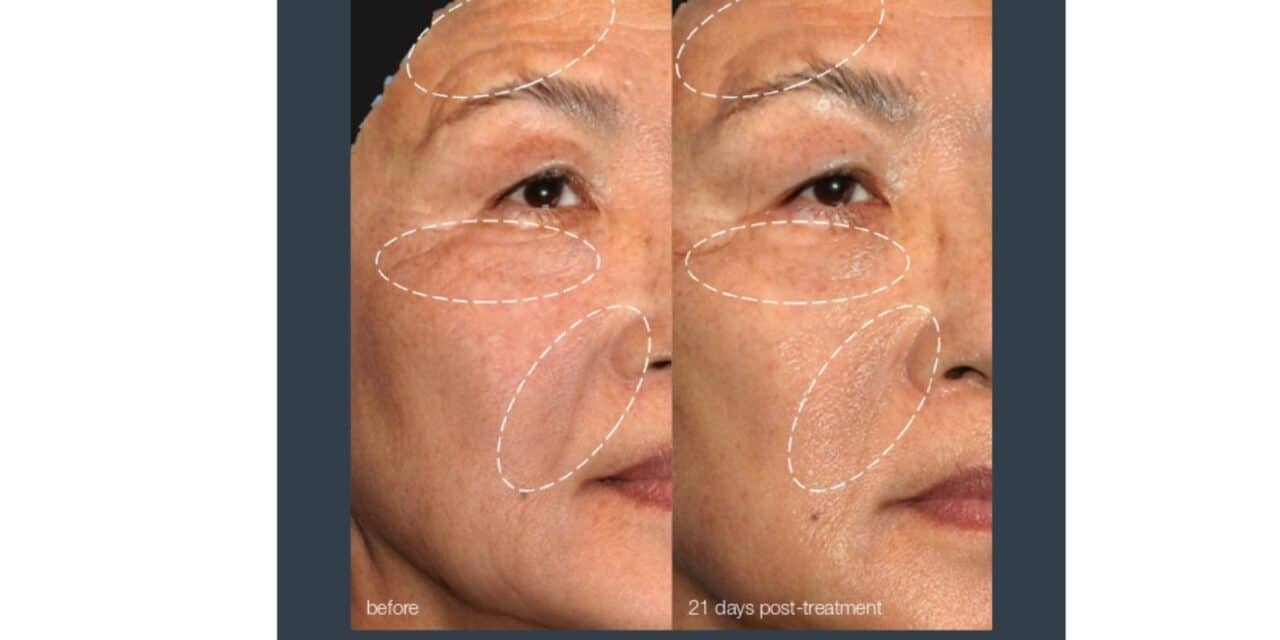
Robert J. Bianchini, PhD: Exosomes are nano-scale extracellular vesicles (30–150 nm) that function as biological signaling packages, carrying microRNA, peptides, lipids, salts and growth-regulating proteins that can influence cell behavior and modulate response factors. For example, post-procedure skin—after laser, microneedling, RF, or surgery—keratinocytes and fibroblasts enters a stress-repair state characterized by inflammation, oxidative stress, and barrier disruption. Exosomes accelerate the transition from inflammation to regeneration by delivering signaling molecules that promote fibroblast activation, collagen synthesis, angiogenesis, and immune modulation. Clinically, this translates to faster visible recovery, reduced erythema, improved barrier repair, improved long-term dermal matrix quality and less patient down-time. When used topically in post-procedure protocols, well-designed exosome systems can help optimize the wound-healing cascade improving outcomes, rather than simply hydrate or occlude the skin.
PSP: Plastic surgeons routinely manage skin recovery after surgical and energy-based procedures. How can exosome-based topicals complement those treatments, and what specific benefits should surgeons expect to see in wound healing, inflammation, and overall skin resilience?
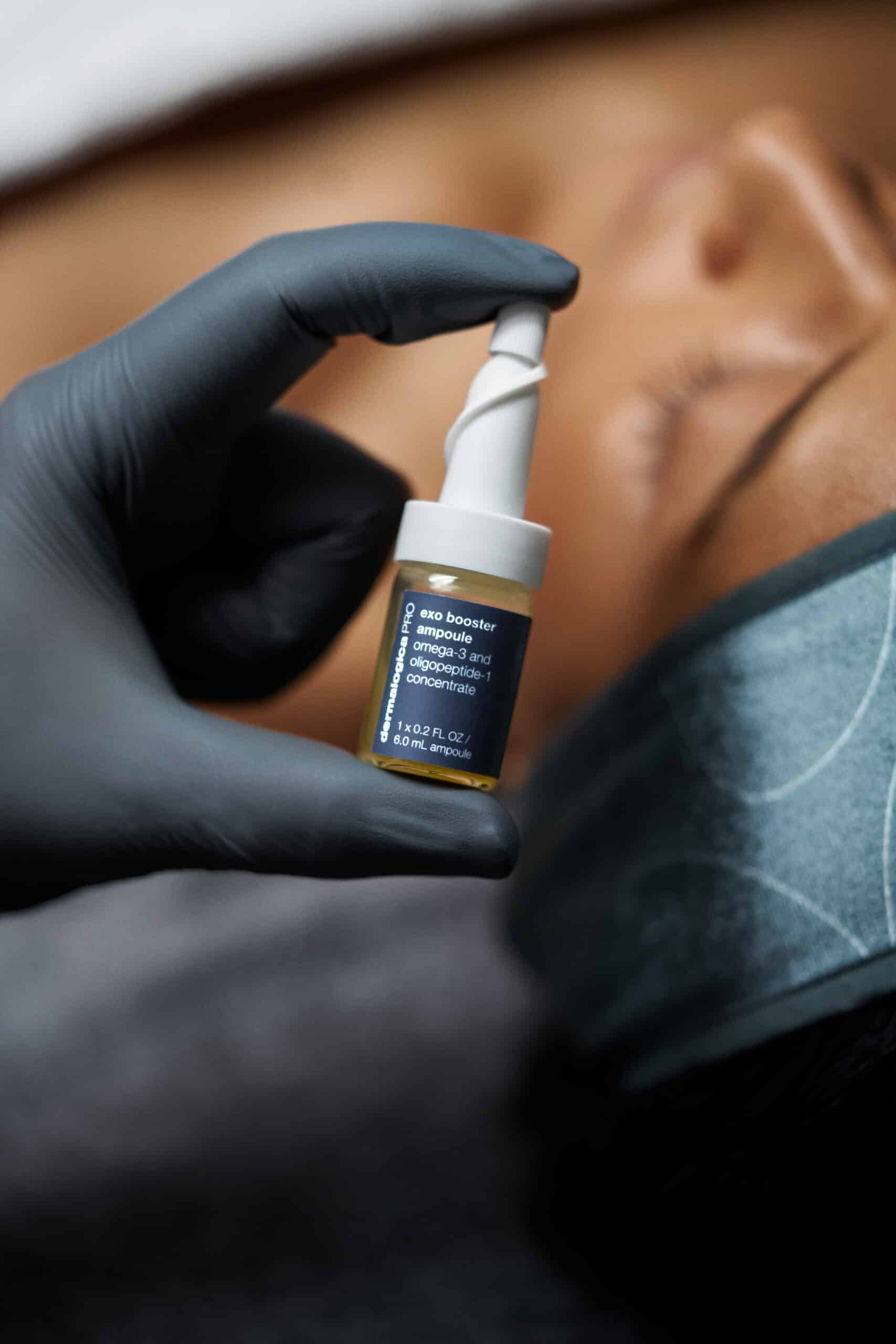
Bianchini: Exosome topicals can act as biologic recovery accelerators following procedures such as ablative lasers, microneedling, RF, or surgical resurfacing. Their key clinical roles include: (1) Modulating inflammatory signaling to reduce excessive cytokine activity, helping minimize redness and swelling; (2) Supporting fibroblast and keratinocyte repair pathways, improving collagen remodeling and epidermal regeneration; (3) Strengthening barrier recovery, reducing trans-epidermal water loss and irritation; and (4) Enhancing extracellular matrix organization, contributing to improved skin firmness and elasticity over time. Surgeons may observe shorter visible downtime, faster barrier normalization, improved skin texture, and more consistent healing outcomes, particularly when used in the immediate post-procedure window when cellular signaling is highly active. Dermalogica’s Exobooster liquid ampule is formulated with an infusion of scientifically selected ingredients designed to work in synergy with its highly engineered lactobacillus extracted exosome.
PSP: Not all exosomes are the same. What are the practical differences between plant-based, bacterial, and other exosome sources, and why do those distinctions matter when selecting products for use in a medical aesthetic setting?
Bianchini: Exosome source influences biologic compatibility, signaling efficiency, efficacy and safety profile. Plant-derived vesicles typically contain antioxidant molecules and plant lipids but may have limited interaction with human cellular signaling pathways. They can also elicit an allergic reaction. Human-derived exosomes, often harvested from adipose stem cells or cultured mesenchymal cells, contain human growth factors and signaling RNA; however, they can raise regulatory, sourcing, and potential immunologic concerns, particularly if derived from donor tissue. They are not FDA approved. Bacterial-derived exosomes, such as those derived from commensal Lactobacillus species, represent a novel and unique category: they are bio-engineered signaling vesicles produced by microorganisms that naturally coexist with human biology. Dermalogica’s Lactobacillus-derived exosome technology is designed specifically for human skin compatibility. Because the vesicles originate from a commensal bacterium rather than donor adipose tissue, they avoid variability associated with human donor material and reduce the theoretical risk of immune sensitivity or allergic responses. In addition, the vesicles can be engineered for targeted skin-relevant signaling, making them particularly suited for topical dermatologic applications.
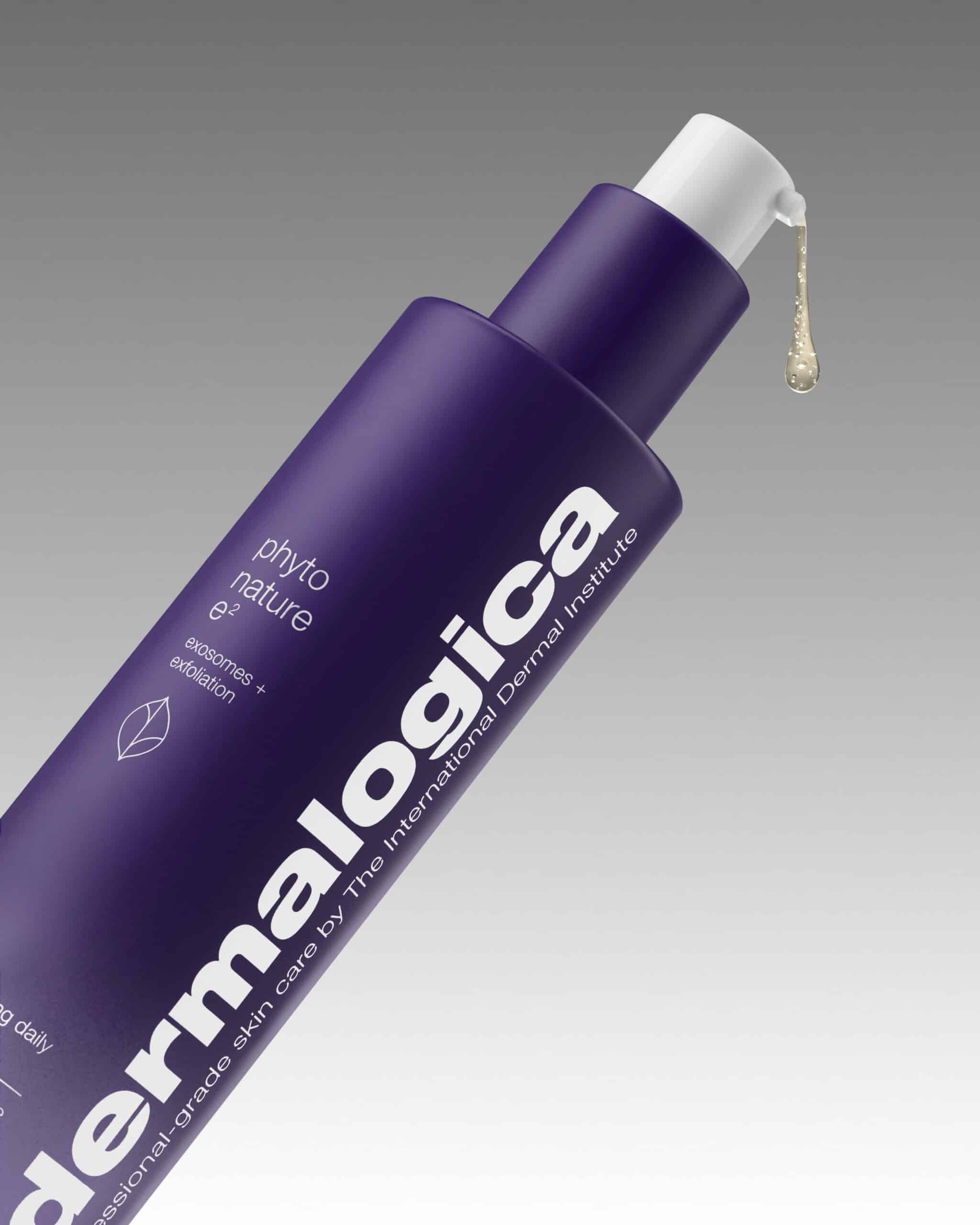
PSP: Dermalogica has developed both a professional-only exosome treatment and a consumer-facing option. How do Exo Booster and Phyto Nature E2 function differently within a surgeon’s ecosystem—from in-office recovery protocols to at-home maintenance?
Bianchini: Within a surgical or medical aesthetic practice, the two products serve different phases of the treatment continuum. Exo Booster is designed as a professional protocol amplifier used immediately following procedures such as microneedling, laser resurfacing, or other barrier-disruptive treatments. It delivers a high-concentration of exosome signaling complex to support the acute repair phase, helping calm inflammation and accelerate barrier recovery. Phyto Nature E2, by contrast, is formulated for daily patient use at home to extend the regenerative signaling initiated in the clinic. It helps maintain cellular communication pathways related to collagen support, antioxidant defense, and skin resilience, ensuring that the procedural benefits continue during the longer remodeling phase of healing. Together, they create a clinic-to-home continuum of regenerative skincare and work in synergy to improve patient outcomes.
PSP: For surgeons looking to optimize outcomes and patient satisfaction, where do you see exosome technology having the biggest near-term impact—immediate recovery, long-term skin quality, or procedural longevity?
Bianchini: In the near term, the most measurable impact will likely occur in immediate post-procedure recovery and barrier restoration, because this phase is highly dependent on inflammatory signaling and cellular repair communication—precisely the pathways exosomes influence. Patients increasingly prioritize reduced downtime, and exosome-based therapies can help surgeons address that expectation. Over time, consistent use may also contribute to improved dermal matrix organization and collagen support, which can enhance overall skin quality and potentially prolong procedural outcomes. Thus, the near-term value lies in recovery optimization, while the longer-term opportunity is maintenance of dermal health between procedures.
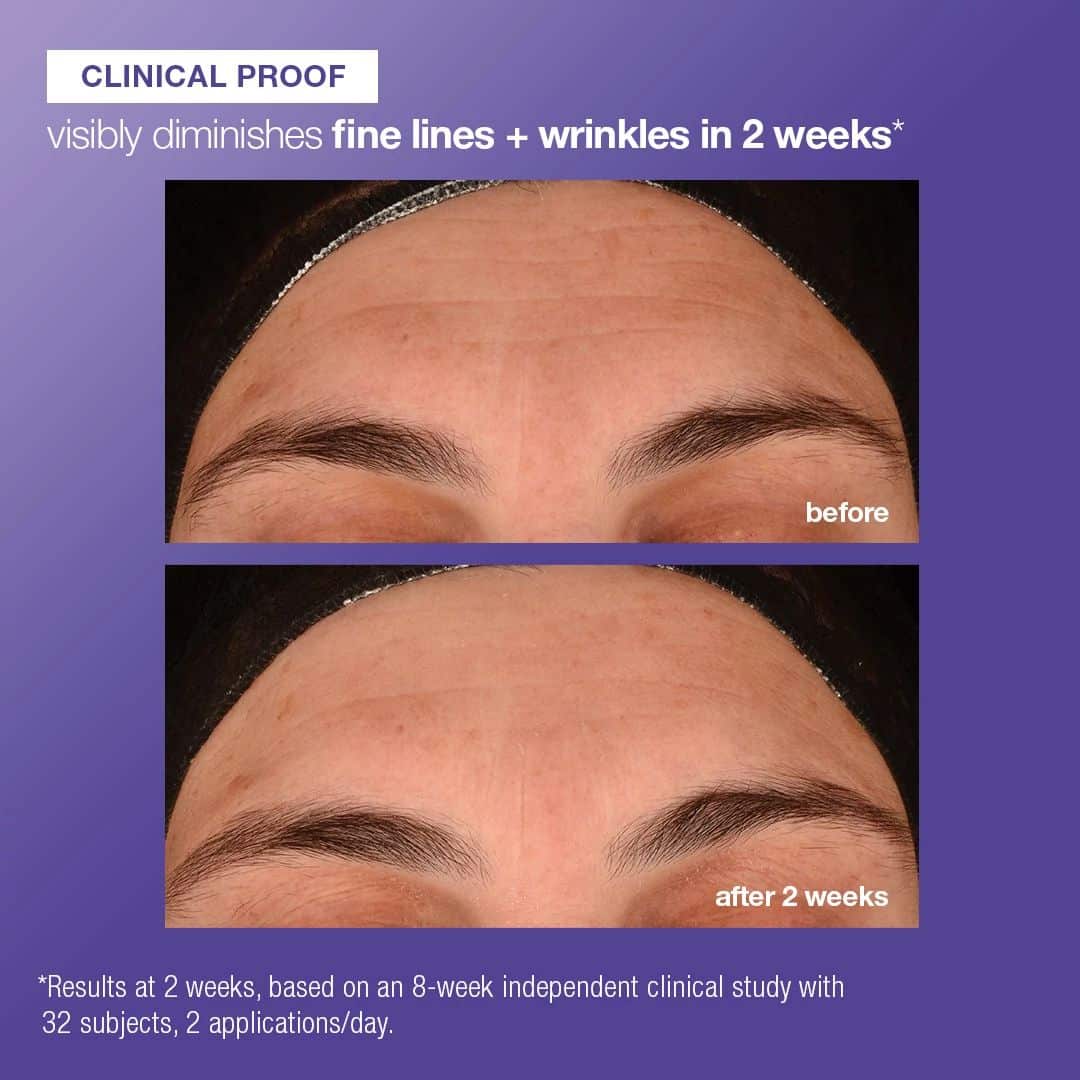
PSP: From a practice growth standpoint, how can plastic surgeons thoughtfully integrate exosome-based products into their treatment and retail offerings without overcomplicating protocols or overwhelming patients?
Bianchini: Integration works best when exosomes are positioned as a recovery protocol enhancement rather than a standalone treatment category. Practices can implement them in three simple ways: (1) Post-procedure protocol – apply a professional exosome booster immediately after energy-based or surgical procedures; (2) Recovery retail recommendation – provide a take-home exosome-based product to support healing, barrier repair and recovery during the first several weeks; (3) Maintenance regimen – incorporate into long-term skin health programs for patients undergoing repeated aesthetic procedures. By framing exosome technology as part of a structured “procedure-recovery-maintenance” pathway, surgeons can improve outcomes while also creating a clear retail narrative that supports patient compliance and practice growth. PSP
Photos: Dermalogica