
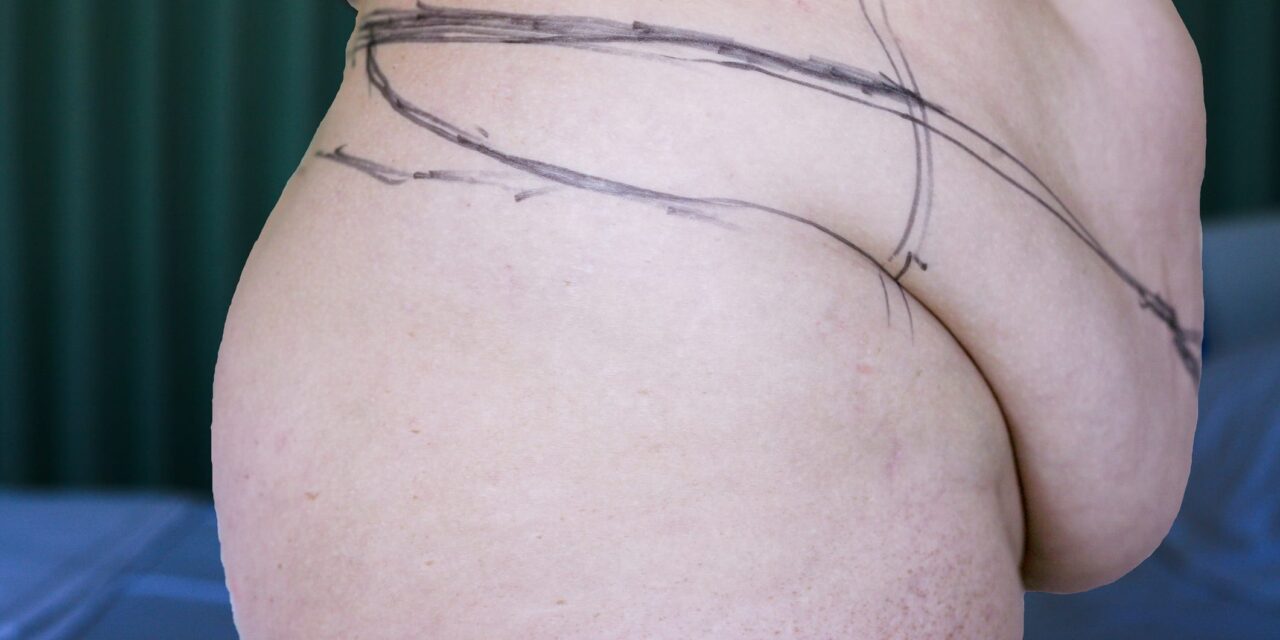
A study finds patients with a history of COVID had higher rates of venous thromboembolism following panniculectomy, even with standard clot prevention.
Among patients undergoing panniculectomy to remove excess abdominal skin, those with previous COVID may be at higher risk of serious blood clot-related complications called venous thromboembolism (VTE), reports a study in Plastic and Reconstructive Surgery.
“Our findings suggest that past COVID may be an additional predisposing risk factor for VTE among patients undergoing panniculectomy,” says lead author Mary Newland, BS, a medical student at Penn State College of Medicine, in a release. “This may have implications for assessment and prevention of surgical risks of body contouring surgery after major weight loss.”
New Data on VTE Risk After Panniculectomy
Body contouring describes a range of surgical procedures to remove excess skin and soft tissue in patients with major weight loss. Panniculectomy is a specific procedure done to remove loose, hanging skin and fat from the lower abdomen. It is generally considered a “functional” rather than cosmetic procedure, with the goal of addressing skin complications (such as rashes, infections, and ulcers) and mobility issues related to the overhanging skin.
Venous thromboembolism refers to potentially life-threatening blood clots known as deep vein thrombosis or pulmonary embolism. For panniculectomy and other types of major surgery, assessment of VTE risk and prevention with the use of anticoagulant medications (blood thinners) is an important part of patient management.
Recent studies have suggested that patients who have previously had COVID-19 may be more likely to develop VTE after panniculectomy. To clarify this association, the researchers analyzed national hospital data on patients who underwent panniculectomy.
‘Significant Increase’ in VTE Among Patients with a History of COVID
The analysis included data on 7,114 patients who underwent functional panniculectomy between 2017 and 2023. Of these, 3,015 patients had surgery before and 4,099 after the start of the COVID-19 pandemic. All patients received preventive blood thinners, based on standard assessment of VTE risk factors (Caprini score). On initial analysis, the two groups had similar rates of VTE: 3.2% before and 3.0% after the start of the pandemic in March 2020.
Further analysis of the post-pandemic group assessed VTE risk among 790 patients with a history of COVID, compared to 3,309 patients who had not had COVID. The results showed a significantly higher risk of VTE for patients with a history of COVID: 4.9%, compared with 2.5% in those without COVID. Other potential VTE risk factors for VTE—such as heart, lung, and blood vessel disease—were similar between groups.
“Our results demonstrate a significant increase in the incidence of VTE among [panniculectomy] patients with a history of COVID-19,” according to the authors. Although other factors may contribute, the increase in VTE risk is likely related to an increased tendency for blood clots to form (hypercoagulability) after COVID infection.
The study “shows the emergence of a new patient population who may be more susceptible to postoperative VTEs,” Newland and coauthors conclude. They emphasize that further studies are needed to confirm the association between COVID and the risk of blood clot-related complications after panniculectomy, and to clarify the implications for risk assessment and VTE prevention.
ID 138545614 © Aussiecate | Dreamstime.com