
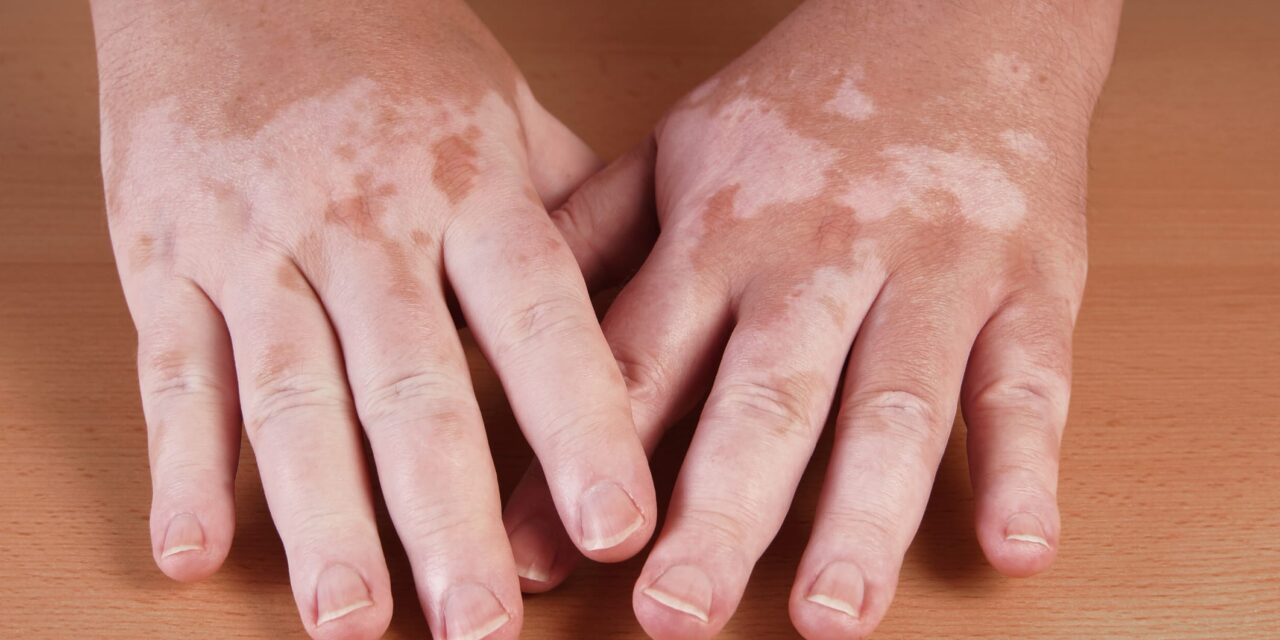
Research indicates that combining oral antioxidant technology with targeted phototherapy leads to better skin repigmentation and patient quality of life.
New research published in Photodermatology, Photoimmunology & Photomedicine indicates that combining oral gliadin-protected superoxide dismutase, the antioxidant technology behind GliSODin, with targeted phototherapy improves outcomes for patients with localized vitiligo. The study found the combination treatment performed significantly better than phototherapy alone.
The six-month randomized study evaluated 40 adults with localized non-segmental vitiligo. All participants received targeted excimer lamp phototherapy, while half also received oral gliadin-protected superoxide dismutase. Researchers found that patients receiving the combination treatment experienced significantly greater repigmentation and reported greater improvements in quality of life compared to those receiving phototherapy alone.
The research was conducted by an international team led by Giovanni Leone, professor at the Photodermatology and Vitiligo Treatment Center at Israelite Hospital in Rome, Italy, in collaboration with researchers from Nice University Hospital and Université Côte d’Azur in France.
“These findings reinforce the growing body of evidence supporting the role of oxidative stress in vitiligo and suggest that addressing this pathway may help improve patient outcomes when combined with established treatment approaches, in particular the combination with phototherapy has been shown to be one of the best approaches to stabilize vitiligo and increase the pigmentation response,” says Giovanni Leone, MD, professor at the Photodermatology and Vitiligo Treatment Center at Israelite Hospital, in a release.
Vitiligo is a chronic autoimmune condition that causes the loss of skin pigment. Researchers have increasingly identified oxidative stress as a factor in the disease process, which has led to interest in therapies that support the body’s natural antioxidant defenses.
The study also found the treatment was well tolerated, with no serious adverse events reported. This research adds to previous findings published in the Journal of the European Academy of Dermatology and Venereology, which demonstrated improved repigmentation when oral gliadin-protected superoxide dismutase was combined with narrow-band ultraviolet B phototherapy.
“At GliSODin, our mission has always been to support the body’s natural ability to defend itself against oxidative stress,” says François Vix, CEO of GliSODin, in a release. “We are encouraged to see continued independent clinical research exploring the role of GP-SOD in conditions where oxidative stress is believed to play a key role.”
The publication of the study came ahead of World Vitiligo Day on June 25, an annual initiative focused on raising awareness, advancing research, and supporting individuals living with vitiligo.
ID 32716572 © Axel Bueckert | Dreamstime.com