The AAFPRS 2025 Annual Survey reports a 19 percent increase in facial procedures, with patients favoring earlier, subtle interventions, rising male participation, and increased demand linked to weight loss medications and menopause.
The American Academy of Facial Plastic and Reconstructive Surgery has released its 2025 Annual Survey, reporting a projected 19 percent increase in facial procedures nationwide, totaling an estimated 1.6 million procedures. The data point to a shift away from dramatic, late-stage interventions and toward earlier, more subtle approaches focused on natural-looking outcomes, preservation, and longevity. Surgeons report that patients are seeking natural-looking and thoughtfully planned approaches, including early interventions, rather than drastic changes.
Procedure Growth and Treatment Mix
The estimated 19 percent increase represents one of the strongest growth periods for the specialty in recent years. According to the survey, noninvasive treatments account for 80 percent of all procedures performed by members. The most commonly performed noninvasive treatments are neurotoxins and fillers.
Rhinoplasty, facelifts including partial facelifts, and blepharoplasty remain the top surgical procedures for both women and men. These rankings have remained consistent over the past six years.
Gender Distribution Shifts
The survey indicates a narrowing gender divide across many procedures. “Men are increasingly seeking eyelid surgery, injectables, and facelifts, while women are showing growing interest in categories historically dominated by men,” says Dr Anthony Brissett, president of the AAFPRS.
One in four AAFPRS members report that otoplasty, nonsurgical hair restoration treatments, chin augmentation, facial implants, rhinoplasty, revision surgery, platelet-rich plasma injections, fat-dissolving injections, and noninvasive energy-based fat reduction are now performed about equally between women and men.
Hair transplantation remains male predominant, but the gap is narrowing. In 2019, 50 percent of surgeons reported hair transplantation as a mostly male procedure. That figure has decreased to 33 percent. The proportion of practices reporting more female than male hair transplantation patients increased from 11 percent to 17 percent. Surgeons performed approximately twice as many hair restoration treatments in 2025 compared to 2024.
Age as a Strategic Factor
Survey respondents predict the average age of facelift patients will continue to trend younger. Fifty-seven percent of surgeons report an increase in patients under age 30 requesting cosmetic procedures or injectables. Many are opting for preventative approaches intended to preserve facial structure and support long-term skin health.
Age distribution across certain procedures remains stable. Patients age 34 and younger represent the majority of rhinoplasty patients. Those ages 35 to 55 comprise the core group receiving neurotoxins and other nonsurgical treatments. Patients 56 and older account for most blepharoplasties, facelifts, and brow lifts.
“Taken together, the data reflects a more intentional approach to aging – one where patients are prioritizing maintenance over correction and making strategic choices that evolve with them over time,” says Brissett.
Impact of GLP-1 Weight Loss Medications
Sixty-seven percent of surveyed surgeons report an increase in patients seeking treatment related to rapid weight loss, representing a 45 percent increase from the prior year. “As facial fat disappears quickly, patients experiencing ‘Ozempic Face’ are seeking remedies to unintended accelerated signs of aging such as hollowed cheeks, increased skin laxity, and more pronounced jowls,” adds Brissett.
AAFPRS members report a second consecutive year of 50 percent growth in fat grafting procedures. One in four surgeons predict that GLP-1 medication use could lead to a spike in nonsurgical treatments.
Menopause-Driven Aesthetic Care
Forty-five percent of surgeons report that more women are referencing menopause or perimenopause as a reason for seeking treatment, up from 28 percent the previous year. Sixty-six percent report an increase in eyelid procedures aimed at appearing less tired. Fifty percent say patients are seeking cosmetic treatments to remain competitive in the workforce.
“Together, these findings point to a shift in how aesthetic care is viewed during midlife – one where nips and tucks aren’t simply done due to vanity, but for autonomy and confidence during menopause, a hormonally driven chapter,” remarks Brissett.
Patient Priorities and Technology Adoption
According to the survey, patients’ primary concern has shifted from cost, recovery time, or surgeon selection to avoiding unnatural results. “Subtlety has become the new status symbol, placing a premium on precision, restraint, and expertise,” notes Brissett. “It’s a shift that underscores the value of working with specialized facial plastic surgeons, and it might even explain the continued rise in non-surgical requests.”
More than half of AAFPRS members report growth in virtual consultations and digital follow-up options. Members report adopting technology to enhance communication and patient experience while maintaining clinical oversight. “The takeaway is clear. Innovation has a place, but experience and specialized training remain the foundation of exceptional treatment,” says Steve Jurich, CEO and executive vice president of the AAFPRS.
The 2025 AAFPRS annual member survey was conducted in December 2025 by ACUPOLL Precision Research Inc through an online survey of a select group of members.
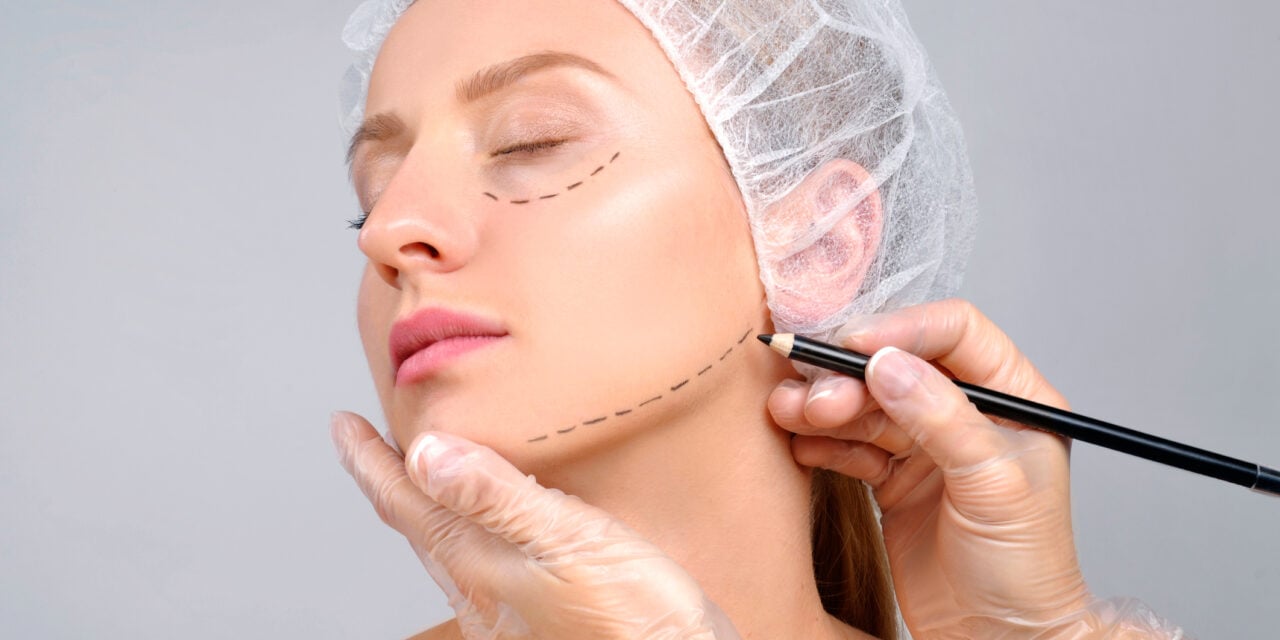
Photo: ID 104100628 © Dmytro Flask | Dreamstime.com