
Research into the extracellular matrix is exploring new approaches to restoring soft tissue, with potential applications ranging from facial rejuvenation to post-weight-loss restoration and body contouring.
Conexeu Sciences, developer of the CXU extracellular matrix (ECM)-based biomaterial scaffold, says regenerative tissue restoration could represent an emerging area within medical aesthetics. Rather than focusing solely on replacing lost volume, this area of medicine explores approaches aimed at restoring, rebuilding, enhancing, and contouring soft tissue.
The company believes the opportunity for these approaches includes facial rejuvenation, age-related tissue changes, post-weight-loss restoration, and body contouring, where patients seek outcomes supported by biological restoration. This shift follows a period of significant growth in the sector; independent market research valued the bioregenerative aesthetics segment at approximately $1.6 billion in 2025, with projected annual growth of more than 11% through 2034.
Focusing on the Extracellular Matrix
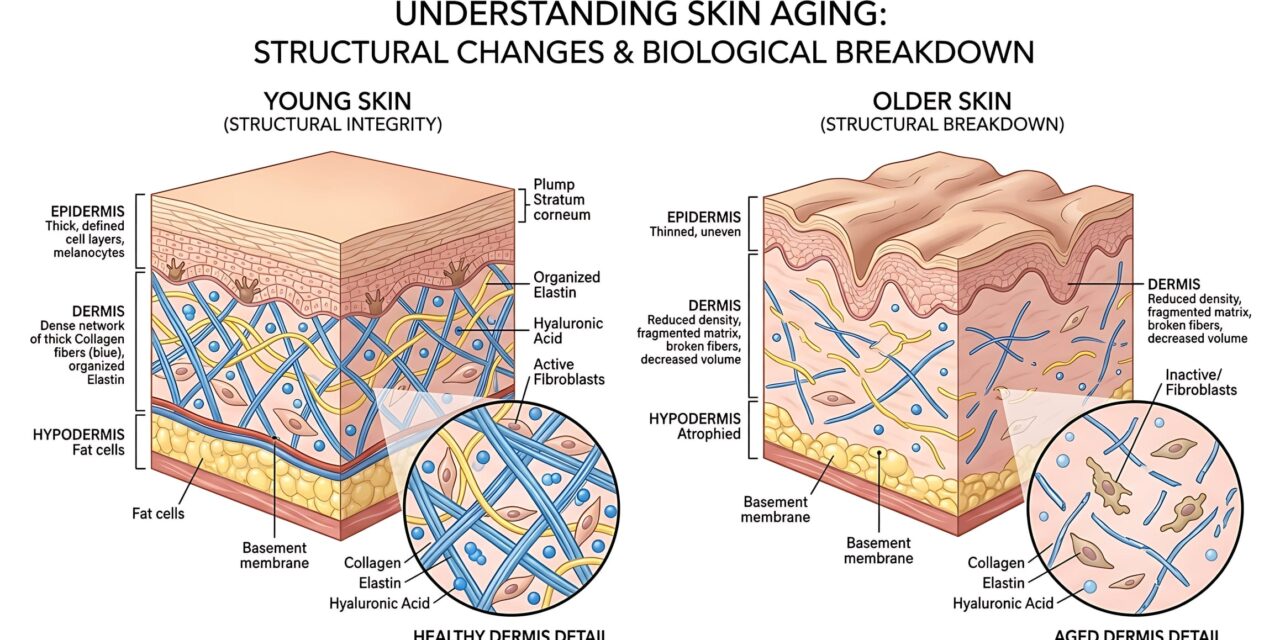
While aesthetic treatments have traditionally focused on addressing visible signs of aging by replacing volume, regenerative medicine prioritizes the underlying tissue and the biological environment. The extracellular matrix serves as the framework that holds tissue together, with collagen, elastin, and glycosaminoglycans acting as individual components of that matrix.
Recent academic reviews support this focus. A 2026 review in JAAD Reviews examined extracellular matrix-based approaches for providing structural and biochemical cues involved in cellular activity and tissue repair. Additionally, a 2025 review in the Journal of Clinical Medicine identified extracellular matrix-based scaffolds alongside technologies such as exosomes and platelet-rich plasma as key areas of study for skin rejuvenation and scar remodeling.
“What is encouraging is the growing academic attention being paid to the extracellular matrix and its role in tissue structure, remodeling, and regeneration,” says Miles Harrison, president and CEO of Conexeu, in a release. “This is the scientific foundation of our CXU platform and an area our medical device has been undergoing research for more than a decade.”
Preclinical Evidence and Pipeline
CXU is designed as a multi-component collagen-ECM scaffold incorporating multiple ECM-derived structural components rather than focusing on a single matrix component. Collagen, elastin, and glycosaminoglycans are among the structural components of the native extracellular matrix. Conexeu says this broader approach warrants further evaluation for applications involving soft tissue restoration and regenerative medicine.
Conexeu is now building the evidence behind that approach. Conexeu recently completed the 12-month Performance and Regeneration Outcomes of Flowable Collagen phase of its preclinical program. The study reached its goals in both small-volume facial tissue models and large-volume subcutaneous tissue models. These findings are being reserved for future scientific presentation and peer-reviewed publication.
The company’s lead device candidate, Ten-Minute Tissue, is a thermosensitive extracellular matrix designed to remain fluid at room temperature and transition into a stable gel once inside the body. The platform is intended to support tissue lost through injury, aging, or changes following GLP-1 weight loss.
Conexeu is advancing a regulatory strategy in the US with an anticipated 510(k) submission for its initial indication in early 2027, subject to regulatory review. The company also plans to explore applications in wound care, periodontal markets, and 3D printing.
ID 469915378 © Ali Siju | Dreamstime.com