
Dr Alexander Zuriarrain discusses multimodal recovery protocols, opioid-sparing strategies, and the growing role of long-acting local anesthetics in plastic surgery.
As plastic surgery patients become increasingly aware of the risks associated with opioid use after surgery, many are asking more questions about how pain is managed during recovery. That shift is driving greater interest in multimodal, opioid-sparing strategies designed to reduce reliance on narcotics while still keeping patients comfortable during the critical first days of healing. Long-acting local anesthetics, along with other non-opioid therapies, are playing a growing role in how surgeons approach post-operative care and patient recovery expectations.
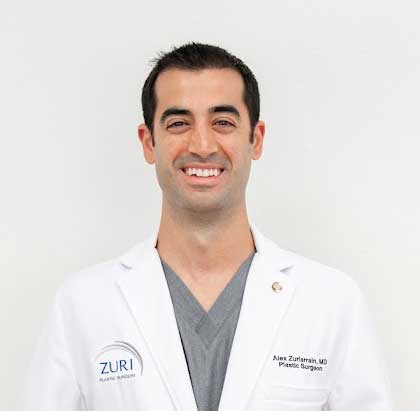
Plastic Surgery Practice spoke with Alexander Zuriarrain, MD, FACS, a board-certified plastic surgeon at Zuri Plastic Surgery, located in Miami, to discuss how his approach to post-operative pain management has evolved, the role multimodal protocols play in reducing opioid exposure, and where long-acting local anesthetics fit into today’s recovery strategies for plastic surgery patients.
Plastic Surgery Practice: How has your overall approach to post-operative pain management evolved in recent years, particularly as interest in opioid-sparing strategies has grown?
Alexander Zuriarrain, MD, FACS: Over the past several years, my approach has shifted from a reactive model of pain control to a proactive, opioid-sparing strategy. Traditionally, we relied heavily on opioids after surgery, but we now recognize that while they can help with pain, they often introduce unwanted side effects that can actually slow recovery, such as nausea, constipation, and grogginess.
Today, I focus on preventing pain at the source rather than chasing it after it begins. A key part of that evolution has been incorporating EXPAREL (bupivacaine liposome injectable suspension) into my pain management protocols. I administer EXPAREL during surgery, directly into the surgical site. It provides targeted, long-lasting pain relief over the first 48 to 72 hours, when pain is typically at its worst. This allows us to significantly reduce or even eliminate the need for opioids. EXPAREL helps with the recovery experience, because the patient’s pain is being managed.
PSP: When you think about effective post-op pain control today, what are the key components of a multimodal strategy in your practice?
Zuriarrain: Effective pain control today is about layering therapies to address pain from multiple angles. In my practice, that means a multimodal “pain package” that includes: a long-acting local anesthetic, like EXPAREL, administered intraoperatively; nonsteroidal anti-inflammatory drugs (NSAIDs) or medications such as intravenous (IV) acetaminophen; and Gabapentin when appropriate
This approach allows us to stay ahead of pain from the beginning, rather than reacting to it later. By combining these, we can provide a more consistent, targeted relief and reduce reliance on opioids, which may lead to a smooth, safe recovery for patients. This approach may allow patients to wake up from surgery feeling more at ease and less anxious about what’s ahead.
PSP: For plastic surgeons evaluating opioid-sparing strategies, where do long-acting local anesthetics fit within a multimodal protocol?
Zuriarrain: Long-acting local anesthetics are important in any opioid-sparing protocol. From my point of view, they serve as the cornerstone because they directly target pain at the surgical site.
With EXPAREL, we’re able to deliver a single injection during surgery that continues working for up to 72 hours. That coverage is critical because it addresses the period when patients are most vulnerable to pain and most likely to need opioids. By controlling pain early and effectively, we can dramatically reduce opioid consumption and improve patient comfort from the beginning.
PSP: Can you walk through how you incorporate a long-acting local anesthetic into your surgical workflow—from infiltration technique to timing—and how that varies by procedure?
Zuriarrain: I incorporate long-acting local anesthetics into most of the surgeries I perform from mommy makeovers and breast augmentations to facial procedures. After completing the key portions of the procedure and before closure, I infiltrate the surgical site with EXPAREL, ensuring even distribution across the tissues involved.
The technique varies slightly depending on the procedure—for example, abdominoplasty requires broader field infiltration, while facial procedures are more targeted—but the principle is the same: precise placement at the site of tissue trauma to maximize effectiveness.
Since it’s administered before the patient wakes up, they emerge from surgery already experiencing pain control. This proactive approach helps eliminate the peaks and valleys of traditional pain management and provides a more stable recovery experience.
PSP: What impact have you seen on opioid prescribing patterns and patient-reported pain control when these agents are used as part of your protocol?
Zuriarrain: The impact has been significant. Many of my patients report taking fewer opioids than expected or avoiding them altogether. I’ve even had patients tell me that they never filled their opioid prescriptions because their pain was managed so well.
From a patient perspective, the feedback is consistent—they feel more comfortable, more alert, and more in control of their recovery. Instead of chasing pain, they feel “ahead of it.” That translates into less anxiety, better mobility, and an overall more positive recovery experience.
PSP: In your experience, which procedures or case types benefit most from the use of long-acting local anesthetics?
Zuriarrain: I use EXPAREL across a wide range of procedures, including facelifts, breast surgeries, rhinoplasty, and more. However, abdominoplasty or “tummy tuck” patients tend to benefit the most.
An abdominoplasty is one of the more physically demanding recoveries in plastic surgery. Effective pain control can make a meaningful difference in a patient’s ability to stand upright, move around, take a deep breath comfortably, and resume normal activity. With EXPAREL included in the plan, these patients are often up and walking much sooner, sometimes walking the halls the next day after surgery. EXPAREL not only improves comfort but also helps reduce the risk of serious complications—such as blood clots—because patients can move around sooner after surgery. Additionally, EXPAREL eliminates the need for a pain pump, which reduces the risk of infection.
Another major advantage of minimizing the use of opioids is avoiding often-overlooked side effects like constipation. This is especially important for abdominoplasty patients, many of whom used to tell me that the pain from constipation was worse than the surgery itself. Since using EXPAREL, I’ve seen a noticeable reduction in these complaints, along with fewer calls from patients struggling with pain or discomfort in the early days of healing.
PSP: What are the key considerations or limitations plastic surgeons should understand when deciding whether to incorporate these agents into their practice?
Zuriarrain: Like any treatment, patient selection and proper technique are important. EXPAREL is designed for specific uses, including local infiltration and certain nerve blocks.
Surgeons should also consider individual patient factors, such as medical history, procedure type, and overall recovery goals. In my experience, it integrates seamlessly into most plastic surgery procedures, but it should always be part of a personalized, multimodal plan rather than a standalone solution.
PSP: How do you set patient expectations around post-operative pain and recovery when using a multimodal, opioid-sparing approach compared to more traditional methods?
Zuriarrain: Setting expectations starts during the initial consultation. I explain that while surgery does involve some discomfort, modern pain management allows us to control it much more effectively than in the past.
I walk patients through how EXPAREL works—how it’s administered during surgery and provides extended relief during those critical first few days. I also explain that our goal is not just to reduce pain, but to help them recover faster and move sooner, as well as avoid unwanted side effects that may be associated with opioids.
Patients find it reassuring knowing that they have a plan that prioritizes both comfort and safety. It shifts their mindset from fearing surgery and recovery, to feeling prepared for it. That confidence makes a real difference in their overall experience. PSP
Photo: ID 148455624 © Vetre Antanaviciute-meskauskiene | Dreamstime.com