Enrollment is complete in a phase 2 trial investigating the use of pure PDGF as an adjunctive therapy for complex surgical wounds following skin cancer excision.
Lynch Regenerative Medicine has completed enrollment in an investigator-initiated phase II clinical trial evaluating recombinant human pure platelet-derived growth factor-BB (rhPDGF-BB) as a therapy to promote healing of surgical wounds on the head and neck following skin cancer excision, according to a press release from the company.
The randomized, double-blind, controlled trial is sponsored by Vanderbilt Health and funded by Lynch Regenerative Medicine. The study investigates whether an rhPDGF-BB-enhanced wound matrix can accelerate healing in patients with full-thickness head and neck surgical defects that cannot be closed primarily with sutures, staples, or glue following Mohs micrographic surgery or wide local excision, the company says.
“For patients with complex wounds following skin cancer excision, the time it takes to become ready for reconstruction is a debilitating part of the recovery process,” says Samuel Lynch, founder and CEO of Lynch Regenerative Medicine, in a release. “This study is asking an important clinical question: can pure PDGF accelerate healing of large head and neck surgical wounds and help move patients toward wound closure sooner and with less scarring?”
Evaluating Healing and Scarring Endpoints
The study enrolled 34 participants, including nine with full-thickness scalp wounds and 25 with wounds on the face or neck. Researchers are comparing an rhPDGF-BB-enhanced collagen wound matrix to a saline-treated collagen wound matrix, which serves as the standard of care.
Effectiveness endpoints include the time to and rate of granulation tissue formation, wound closure, overall healing rate, and scar appearance. The trial also evaluates patient-reported changes in pain and quality of life using blinded expert assessments and standardized wound imaging and digital analysis, the company says.
“This study focuses on a unique growth factor—pure PDGF-BB—that has proven clinical benefits in other applications, combined with engineered tissue substitutes to help patients heal, in some cases without the need for extra surgery such as a skin flap or skin graft procedure and with less scaring,” says Wesley Thayer, MD, chief of plastic surgery at Virginia Commonwealth University Health System and principal investigator for this study, in a release.
The use of rhPDGF-BB in this study is investigational and has not been approved by the Food and Drug Administration for this indication. The study remains ongoing, and data will be analyzed after an eight-week assessment period, according to the company.
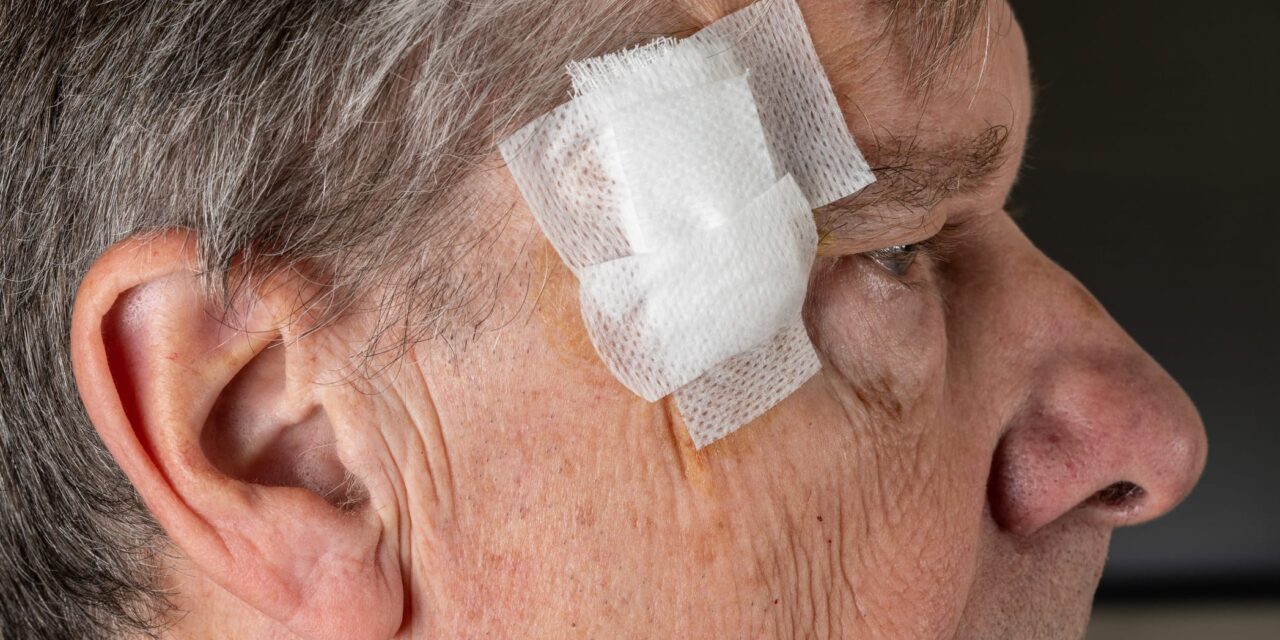
ID 163752469 © Steveheap | Dreamstime.com