
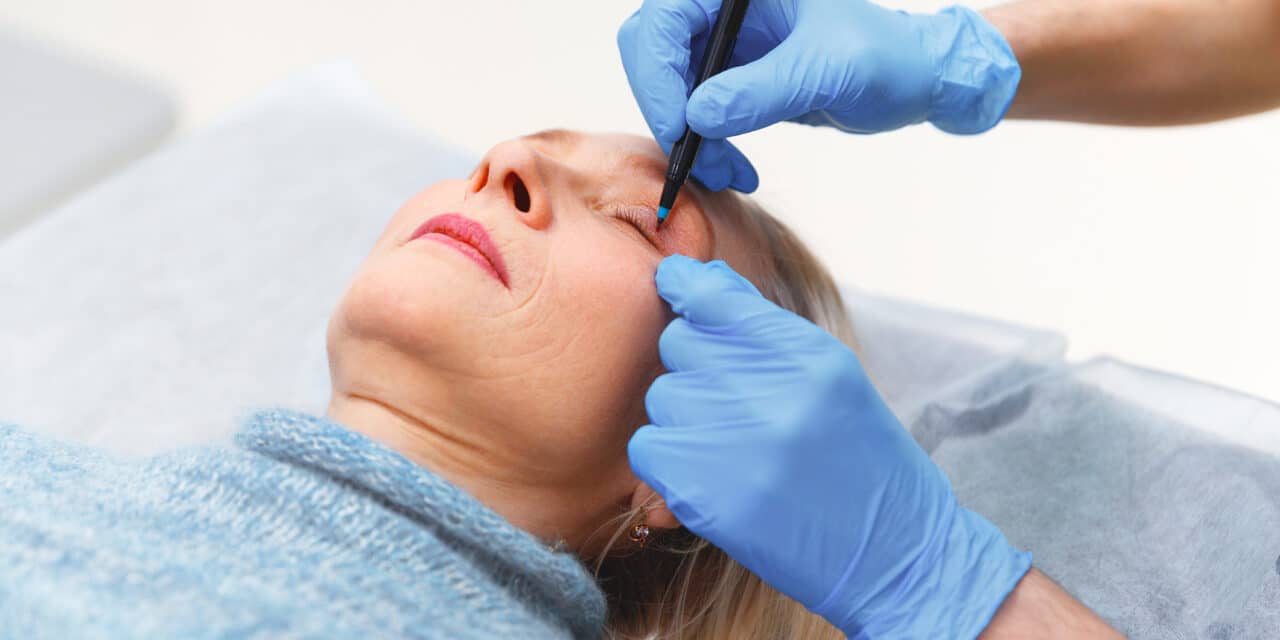
Drs Rozbeh and Radbeh Torabi talk about how weight-loss-related facial changes are influencing facelift demand and the clinical considerations shaping patient selection and treatment planning.
Plastic surgeons are seeing more patients in their 30s and 40s seeking facelifts following significant weight loss associated with GLP-1 medications. These patients often present with facial volume loss and skin laxity, raising questions about when surgery is appropriate and when less-invasive treatments may be sufficient. Determining the best approach requires evaluating facial anatomy, skin quality, weight stability, and patient expectations.
Plastic Surgery Practice spoke with Rozbeh Torabi, MD, a double board-certified plastic surgeon, and Radbeh Torabi, MD, a board-certified plastic surgeon, both of Elite Plastic Surgery in Chandler, Arizona. They discuss the facial changes they are seeing in younger patients following GLP-1-related weight loss, how they evaluate facelift candidacy, the surgical and nonsurgical options they consider, and why patient selection, weight stability, and realistic expectations remain central to treatment planning as demand evolves.
Plastic Surgery Practice: Are you seeing an increase in patients in their 30s and 40s seeking facelifts following significant weight loss associated with GLP-1 medications? How has this changed the age profile of patients coming to your practice for facial procedures?
Radbeh Torabi, MD: Yes, we are seeing more patients in their 30s and 40s asking about facelifts after significant weight loss. Some of these patients have lost a substantial amount of weight and are surprised by how much it changed their face. Social media is also part of it because patients see younger people with very good facelift results and realize that the procedure isn’t necessarily something reserved for their 50s or 60s.

PSP: What types of facial changes are these younger patients presenting with, and how do they differ from the age-related changes you typically see in older facelift patients?
Rozbeh Torabi, MD: Most commonly, we’re seeing a combination of volume loss and skin laxity. The cheeks can look deflated, the jawline becomes less defined, and there can be more looseness around the lower face and neck. The difference is that with a traditional older facelift patient, those changes are usually part of a much longer aging process. With a patient who has lost a significant amount of weight, the change can happen relatively quickly. They may still have relatively young skin and good overall skin quality, but they’ve lost volume and the tissues may no longer have the same support they had before.
PSP: What factors do you consider when determining whether a patient in their 30s or 40s is an appropriate candidate for a facelift? Are there circumstances, related or unrelated to GLP-1 use, in which you would advise a younger patient to postpone surgery?
Radbeh Torabi, MD: I don’t use age as the primary criteria, I’m looking at the degree of laxity, skin quality, facial anatomy, the amount of weight loss, whether the weight has stabilized, and what the patient is actually trying to correct.
There are definitely younger patients I would tell to wait. If someone is in their 20s, or even their 30s, and there simply isn’t enough laxity to justify a facelift, I don’t think surgery is the right answer. The same applies when expectations are unrealistic, if someone is trying to look exactly like a celebrity or a person they see online, that’s usually a sign that we need to slow the conversation down and make sure they understand what surgery can realistically accomplish.
PSP: For younger patients experiencing facial volume loss and skin laxity after significant weight loss, how do you decide between surgical intervention and less-invasive treatment options? Are you finding that certain approaches work particularly well for this patient population?
Rozbeh Torabi, MD: It depends on whether we’re treating volume loss, laxity, or both. If someone primarily has volume loss and their skin is still tight, adding volume may be enough. But once there is significant tissue laxity, injectables can’t really substitute for repositioning the tissues, so that’s where the examination becomes important. You don’t want to perform a facelift on someone who doesn’t need one, but you also don’t want to keep adding filler to a face that actually has excess skin and tissue descent.
PSP: What other procedures are you using either in place of or in combination with a facelift for younger patients who have experienced significant weight loss? How do you determine which approach—or combination of approaches—is appropriate?
Radbeh Torabi, MD: We may use volume restoration, skin resurfacing, or other nonsurgical treatments, depending on what the patient presents with, because some patients need more volume, some need tightening, and some need a combination. For patients who do need surgery, the facelift itself may also be combined with treatment of the neck or other areas of the face. I don’t have a preset combination, the anatomy tells us what needs to be addressed.
PSP: Are you seeing changes in what younger patients expect from facial rejuvenation following GLP-1-related weight loss? How do you manage expectations, particularly among patients who may be seeking surgery earlier than they originally anticipated?
Rozbeh Torabi, MD: Yes. Patients are much more educated about facial procedures than they used to be, but that can be both helpful and challenging. They come in having seen hundreds of before-and-after photos and sometimes they have already decided what procedure they think they need. My job is to take a step back and evaluate their face independently of what they saw online. I explain what is actually causing the change they’re noticing, what a facelift can address, and where it has limitations. If I don’t think they need surgery, I tell them that.
PSP: Looking beyond your own practice, how do you think the growing use of GLP-1 medications and the resulting demand for facial rejuvenation are affecting facelift trends? Do you anticipate any longer-term changes in how plastic surgeons approach facial rejuvenation in younger patients?
Radbeh Torabi, MD: I think GLP-1-related weight loss is going to make facial rejuvenation a consideration for patients who previously wouldn’t have thought about it at their age. We’re going to see more patients whose concern is related to a fairly rapid change in facial volume and skin laxity rather than decades of chronological aging.
That doesn’t mean every younger patient needs a facelift. If anything, it makes careful patient selection more important. Surgeons will need to distinguish between someone who has true surgical laxity and someone who mainly needs volume restoration or another less-invasive treatment.
PSP: What should your fellow plastic surgeons understand about evaluating and treating younger patients who are considering facelifts after significant weight loss? Are there particular clinical considerations, treatment-planning challenges, or potential pitfalls you believe deserve greater attention?
Rozbeh Torabi, MD: I’d say don’t let the patient’s age make the decision for you, but don’t let the weight loss make the decision either. Look at the actual anatomy: a younger patient can absolutely have enough laxity to benefit from surgery, but the threshold for operating should still be based on the physical findings and the patient’s goals. I would also want to know that their weight is stable, because operating while someone is still losing a substantial amount of weight can make the final result harder to predict.
And technically, I think it’s especially important in these patients to avoid simply pulling the skin. With a deep-plane facelift, we can release the appropriate attachments and reposition the deeper tissues with less tension on the skin. The vector matters too, the goal is to restore the anatomy in a way that looks appropriate for that patient’s face, not to make a 35-year-old look like she had a facelift. PSP
Photo: ID 81938378 © Evgenyatamanenko | Dreamstime.com