
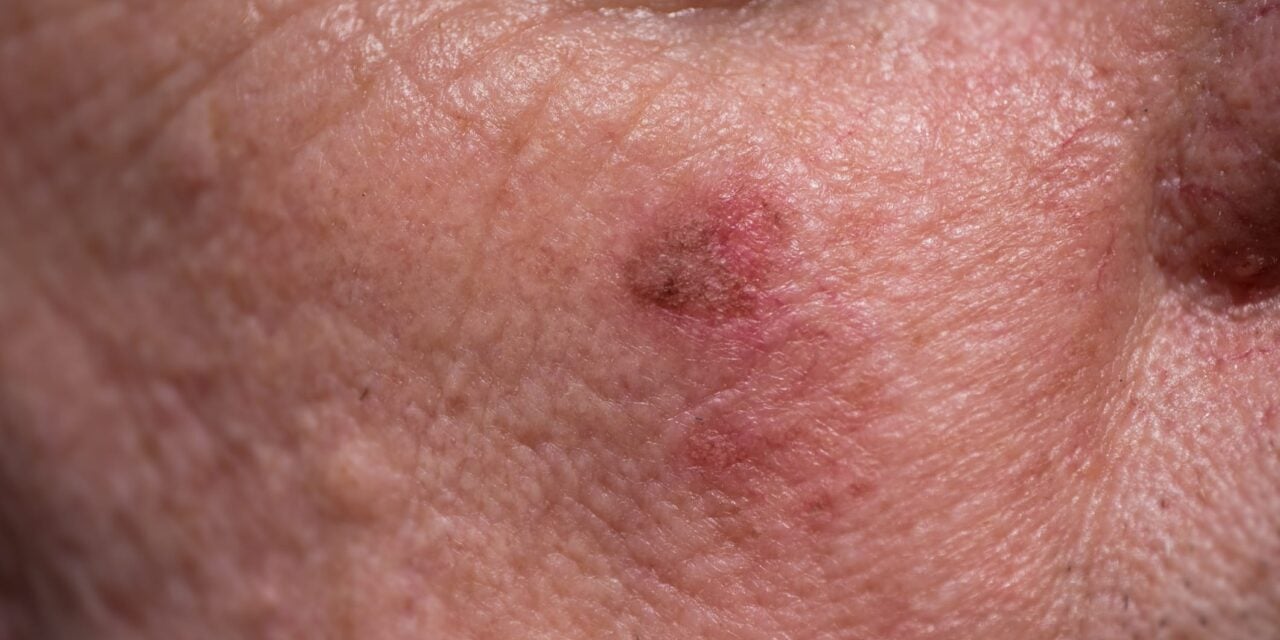
Clinical and histological data show reduced lesions and dermal remodeling after treatment, but underlying markers of cancerization remained unchanged.
A clinical report published in the American Society for Laser Medicine and Surgery’s journal Lasers in Surgery and Medicine evaluates the effects of a 1927-nm thulium fractional laser on sun-damaged skin and actinic keratosis, finding improvements in clinical and histological outcomes alongside persistent molecular markers.
The study, led by Lívia Maria Oliveira Salviano, was selected as the journal’s April 2026 Editor’s Choice.
“We initiated this study to determine if the clinical efficacy of the 1927-nm Thulium laser in treating field cancerization was supported by deep histological and molecular changes,” Salviano says in a release. “Our goal was to see if we were truly clearing the ‘cancer field’ or simply improving the skin’s architectural appearance.”
The prospective study included 23 patients who received four treatment sessions. According to the report, treatment was associated with a reduction in actinic keratosis (p < 0.001) and improvements in photoaging scores. Histological analysis also showed changes in keratinocyte atypia (p = 0.046) and dermal remodeling (p < 0.001).
However, the authors reported that markers of cellular proliferation, including p53 and Ki-67, remained stable. The findings suggest that while the laser treatment alters skin structure and appearance, it may not eliminate the underlying molecular features associated with field cancerization.
The study notes that this distinction between clinical improvement and molecular persistence may have implications for follow-up care, as patients may continue to require monitoring even after visible skin changes improve.
Salviano is a dermatologist and PhD candidate at the University of São Paulo.
ID 191592090 © Vriesela | Dreamstime.com