What Causes Skin Tags—and How to (Finally) Get Rid of Them
These small, soft growths hanging (literally) out on your neck or underarms are no fun, but harmless. But what causes skin tags in the first place, Shape asks.


These small, soft growths hanging (literally) out on your neck or underarms are no fun, but harmless. But what causes skin tags in the first place, Shape asks.
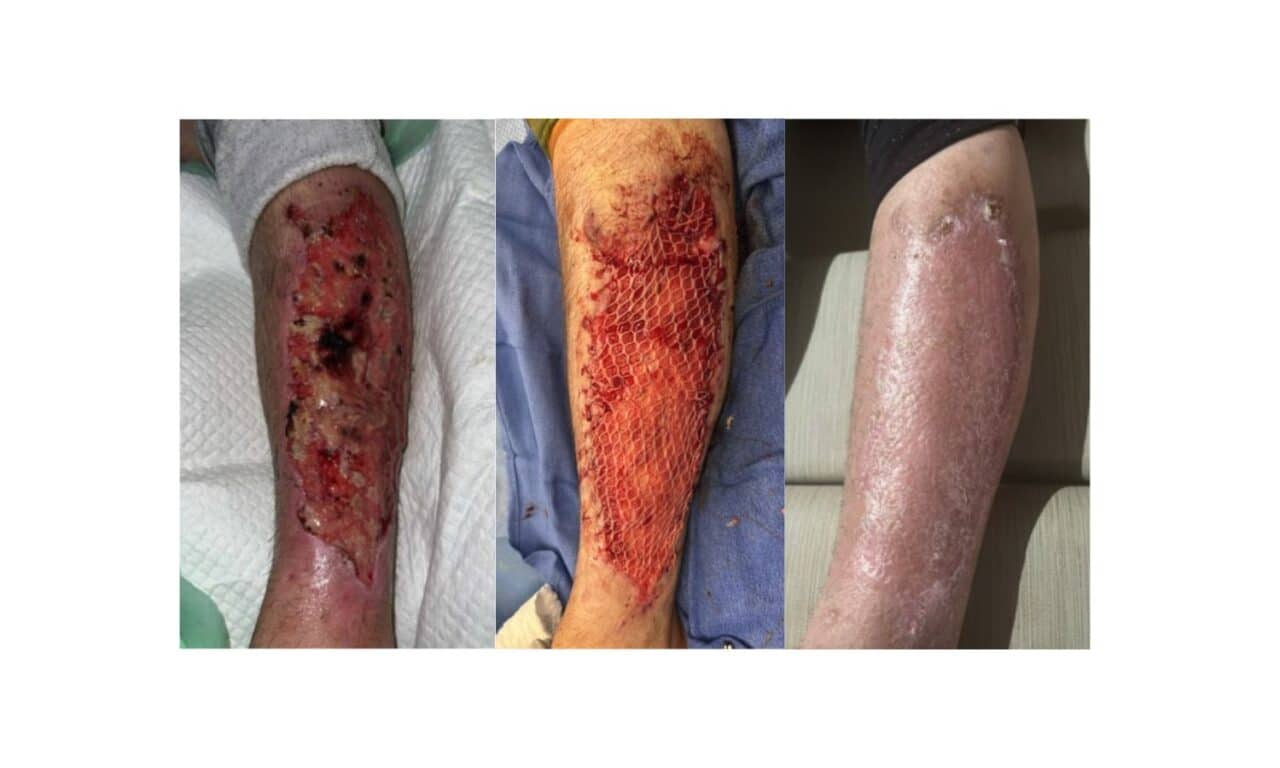
Autologous Spray-On Skin Cells are expanding what's possible in reconstructive surgery. By reducing donor skin requirements and supporting faster, more natural healing, the technology is helping surgeons improve both functional and aesthetic outcomes while reshaping the approach to burns, traumatic wounds, and complex reconstruction.




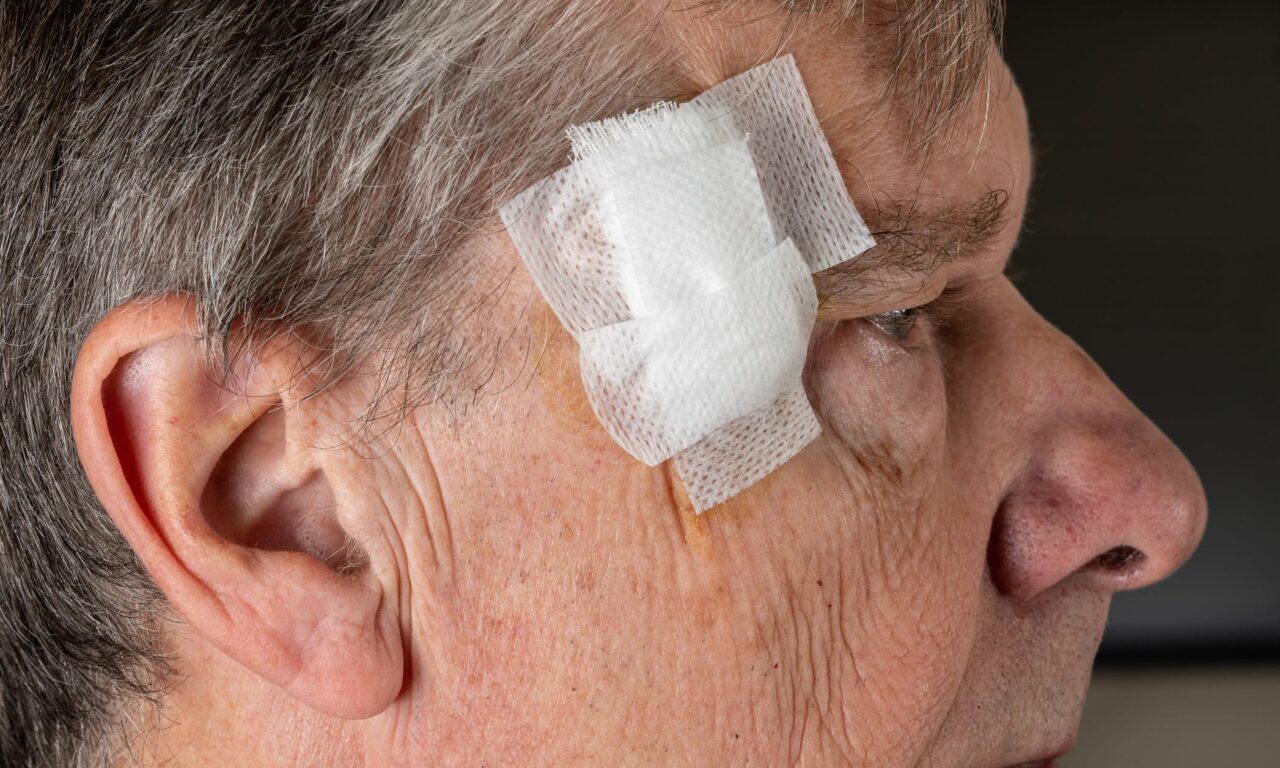
Enrollment is complete in a phase 2 trial investigating the use of pure PDGF as an adjunctive therapy for complex surgical wounds following skin cancer excision.



Although ultraviolet (UV) radiation damage and clock-like mutations associated with cell division contribute to melanoma risk, sex, and age may represent the final mutational composition of skin cancer, according to study research published in the British Journal of Dermatology, Dermatology Advisor reports.
Read More
Whatever you do, don’t do this, dermatologists warn, in Health.
Read More
To provide the best of both worlds—the expert, insider advice without the parental opinion or commentary baked-in—Seventeen magazine asked four skin gurus-slash-guardians about the most important wisdom they’ve handed down to their teens and 20-somethings.
Read More
Atopic eczema wasn’t tied to a significantly increased risk for most cancers, according to research from England and Denmark, MedPage Today reports.
Read More
Socioeconomic disparities may lead to a lower awareness of melanoma and its dangers, especially among those who are Hispanic, according to a cross-sectional study presented at the American Academy of Dermatology virtual meeting, per Healio.
Read More
Findings published in JAMA Dermatology suggested that clinically important increases in melanoma risk in patients treated with biologic therapy for common inflammatory diseases cannot yet be ruled out, according to Cancer Network.
Read More
Skin infections, moles, rashes and new freckles can arise while you’re at home during the coronavirus. Here’s when you should see a doctor, either virtually or in person, HuffPost shares.
Read More
An intervention in secondary schools in southeastern Brazil using a face-aging app resulted in an increase in protective measures used by students against sun exposure, according to Healio.
Read More
Dermatologists explain to Allure how to give yourself an at-home skin check.
Read More
The New York Times checks in with experts to learn about the risks of indoor light and how we can protect ourselves.
Read More
Black patients with earlier-stage melanoma were more likely than their non-Hispanic white counterparts to experience delayed time from diagnosis to definitive surgery, according to a study, per Healio.
Read More
DermTech Inc announces that its lead non-invasive melanoma detection test, the DermTech Pigmented Lesion Assay, is now available for use by clinicians and their patients via telemedicine.
Read More
Bored during coronavirus quarantine? When looking for something to do, be sure that doesn’t include removing your own moles or skin tags, as some people have in a new “trend” on the social media app TikTok, the-latest news reports.
Read More
Melanoma incidence rates differ between men and women by age and anatomic site in predominantly fair-skinned populations, according to a cross-sectional analysis published in JAMA Dermatology, per Healio.
Read More
Researchers in Korea have developed a deep learning-based artificial intelligence (AI) algorithm that can accurately classify cutaneous skin disorders, predict malignancy, suggest primary treatment options, and serve as an ancillary tool to enhance the diagnostic accuracy of clinicians, according to EurekAlert.
Read More