In healthy adults, injected volar fibroblasts thickened and firmed skin, while an added collagen filler prompted an immune response without clearly boosting results.
Johns Hopkins Medicine researchers report that they partially transformed ordinary human skin cells into volar skin. Volar skin is the durable, friction- and pressure-resistant skin found only on the palms and soles. They did so in a phase I clinical trial of an experimental cell therapy.
The study was funded by the National Institutes of Health and the Maryland Stem Cell Research Fund and published in the Journal of Investigative Dermatology. It examines how skin cell therapy, the transfer of living skin cells to treat injury or disease, may alter skin when combined with dermal fillers.
A Potential Answer for Prosthetic-Related Skin Injury
An estimated 2 million people in the US live with limb loss. Prosthetics can aid movement, but skin bruising and irritation at attachment sites limit daily use.
Sam S. Lee, PhD, the study lead and a research analyst and lab manager in the Garza lab, says volar skin is naturally tough and hardy, which makes it a natural solution to prosthetic injuries. However, limb loss often removes volar skin, so sourcing enough tissue for treatment remains a challenge.
In a previous clinical trial, Lee and his team found that transplanted human volar fibroblasts can give non-volar skin volar-like characteristics, such as increased skin thickness, for up to five months. Fibroblasts are connective tissue cells that maintain the skin. The current study aims to increase the number of volar or volar-like skin cells generated and help the altered cells last longer.
“Skin fibroblasts naturally attach to collagen, so we tried incorporating a commercially available cosmetic skin filler containing both collagen and PMMA [polymethylmethacrylate, a synthetic polymer] to help,” says Lee, in a release.
Trial Design and Findings
Ten healthy adult volunteers (mean age 36.5 years) were recruited for the five-month study. Each participant provided scalp (non-volar) and sole (volar) fibroblasts. These were cultivated and expanded in a lab to create the skin cell therapy injections.
Participants received control, scalp, and volar fibroblast injections at separate treatment sites. Before cell therapy began, a single collagen-PMMA filler injection was applied at the predetermined injection sites.
The researchers measured skin thickness, firmness, and cellular changes at the treatment sites at a two-month follow-up and at the final five-month evaluation. As expected, skin treated with volar fibroblasts developed volar-like characteristics, such as increased thickness and elasticity. The team noted that collagen-PMMA did not prevent skin changes from taking place, but it did not drastically improve them.
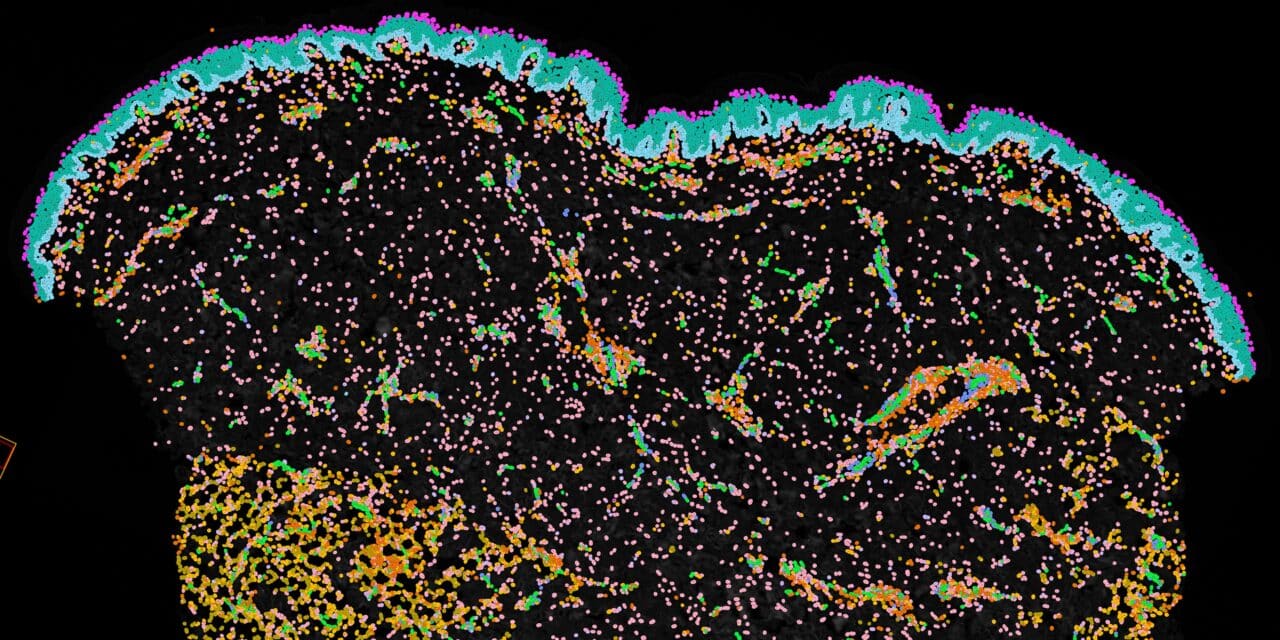
The researchers also reported an unexpected finding. Collagen-PMMA caused participants’ fibroblasts, blood vessel cells, and immune cells to gather at every treatment site, evidence of an immune response. The migrated cells were believed to outnumber the transplanted fibroblasts, which could not be directly distinguished from the native cell population. According to the researchers, their presence did not change treatment effectiveness during the five-month study.
Lee says the combined filler was used because FDA-approved, collagen-only injections are not currently available. He suspects PMMA contributed to the immune response because the body does not break it down. Longer studies will be needed to determine how the immune response affects transplanted volar cells and skin changes over time.
Next Steps
In future studies, Lee and his team plan to investigate whether additional approaches, such as growth factors or physical stimulation, could strengthen or stabilize volar skin characteristics.
The study was supported by the National Institute of Arthritis and Musculoskeletal and Skin Diseases at the National Institutes of Health and by the Maryland Stem Cell Research Fund.