

How Innovative Holistic Financial Assessment Helps Plastic Surgeons Turn Patients’ Aesthetic Aspirations into Achievable Care.
By Max Axler
Consumers are prioritizing their aesthetic goals, and a specialized financing partner can help providers turn patient aspirations into action.
According to McKinsey & Company, nearly half (46%) of consumers spent more on cosmetic services in 2024 than in the previous year, and growth is expected to continue.[1] Additionally, as weight loss aesthetic solutions such as GLP-1 medications or post-weight loss surgical lifts increasingly drive consumer interest in cosmetic care,[2] navigating out-of-pocket costs for elective procedures may be key to treatment adherence and patient satisfaction.
Without clear financing pathways, patients may delay or forgo elective cosmetic healthcare services entirely. Connecting them with the right financing options, therefore, could help them reach their aesthetic goals with confidence.
I believe that financial technology innovation within the cosmetic industry has the potential to transform access to care, from integration within practices’ traditional financial processes to more holistic credit decisioning.
Unlocking Aesthetic Goals for the Modern Patient
As cost concerns remain a barrier to care, impacting providers’ ability to meet patient demands while delivering quality care and maintaining a healthy practice, the link between credit access and access to care is critical.
The numbers tell a compelling story: according to Synchrony’s “Healthcare Journey Research Consumers and Providers” report, the average out-of-pocket cost for plastic surgery was $4,804—and 83% of consumers surveyed reported they would pursue additional services if they had ways to pay.[3]
One example stands out to me, and it highlights both the value of credit access for our communities and why providers and their practices should be paying more attention to how it impacts their patients and businesses.
Recently, in a partnership with the U.S. Office of the Comptroller of Currency, Project REACh focused on expanding credit access for underserved communities. Project REACh made available to financial institutions cashflow data for those applicants with no historical credit score. The majority (60%) of the REACh applicants we extended credit to achieved prime credit scores within 12 months, taking the next step to create more financial opportunities for themselves and their families. Yet, despite the majority (96%) of practices accepting credit cards as a payment method, accounting for nearly half (44%) of payments received, we still see patients navigating cost barriers, potentially related to credit access to get the care they want.
The solution may seem obvious: a more holistic credit assessment. But what does that look like in practice, and how can it support practices to expand care access to their patients?
I recently spoke with board-certified plastic surgeon, Dr Justin West, from Finesse Plastic Surgery about the value of implementing a variety of financial pathways and touchpoints for patients. As he thoughtfully framed it: “In our practice, financing isn’t just a payment method—it’s a core part of how patients decide to move forward with treatment. When it’s seamlessly integrated into the workflow, it reduces friction for both patients and staff. Patients gain confidence in moving forward with procedures they already want, while our team can stay focused on care instead of navigating complex financial conversations. When done well, it improves the overall patient experience and supports a more efficient practice.”
Holistic credit assessment technology can be integrated within existing practice systems and financing options to help address cost concerns regarding services while responsibly expanding credit access to patients without adding to providers’ administrative burdens.
Embracing Holistic Credit Assessment for Cosmetic Practices
Moving beyond the traditional credit score is essential to expanding cosmetic care access. Traditional healthcare financing options, credit cards, and other payment methods for medical and wellness services typically rely heavily on a consumer’s credit score—a static snapshot that often provides an incomplete image of consumers’ creditworthiness.
So, how can we add context to our underwriting decisions and help responsibly drive higher approval and conversion rates?
Synchrony PRISM, our innovative, proprietary technology, assesses creditworthiness by drawing on a more comprehensive set of real-time data attributes—spanning from credit bureau data to rich alternative data like cash flow patterns, rent payments and other merchant data—while also considering payment experiences with the consumer. Synchrony PRISM also helps to inform responsible lending practices by ensuring that consumers don’t become overextended—a risk that a traditionally high credit score might otherwise mask.
Driving Access and Efficiency for Cosmetic Care
Now that we’ve identified how deeper data assessment can play a role in expanding credit access, let’s discuss the additional ways a financing solution partner can make a real-world impact within cosmetic practices and the communities they serve.
For cosmetic providers, partnering with the right financing solution means more than simply providing credit—it means working with a true business partner. Here are a few ways this can come to life:
- Streamlined workflows: Seamless integration with leading practice management software platforms and independent software vendors simplifies and expedites payment processing.
- Faster payments & improved cash flow: By managing billing and collections, the right financing partner ensures providers receive payments promptly, often within two business days, mitigating delays and defaults.
- Multi-source financing: Beyond offering innovative credit access, an effective financing partner can also connect patients with alternative lenders if they do not qualify for initial financing options, ensuring broader access to care.
As cosmetic patients navigate cost barriers to the procedures they want, with the majority of them looking to pursue additional treatments if they had ways to pay for it, the imperative for providers to embrace holistic credit decisioning is clear.
The Future of Aesthetic Financing
The era of relying solely on static credit scores to inform healthcare financing decisions may soon be in the past. Through innovative technology, we can enable cosmetic practices to improve revenue cycles, reduce administrative overhead, and deliver quality care to patients. This simultaneously helps to give patients the financial confidence to pursue the care they want, when they want it.
Additionally, the cosmetic patient journey and demand for aesthetic financing is increasingly expanding outside of practice offices, driven in part by a growing shift towards eCommerce. Now, online sales represent 41% of beauty and personal care sales in the U.S.,[1] and 44% of shoppers actively seek financing options.[2] Therefore, investing in digital-first solutions for cosmetic practices may be essential to stay competitive in the cosmetic landscape.
Overall, I think the future of aesthetic financing will continue to drive how financial and cosmetic industry leaders meet consumers with seamless payment experiences and aesthetic financing options across digital or in-person touchpoints.
How we engage with consumers at every step or intersection of their cosmetic journey with financial pathways may shape the future of what practice success looks like, and how to get there—by focusing on expanding care access, utilizing innovative technologies, and prioritizing patient-first objectives to support increased patient satisfaction.
To learn more about CareCredit and how it could support your practice’s next stride in expanding care access visit: https://www.carecredit.com/.
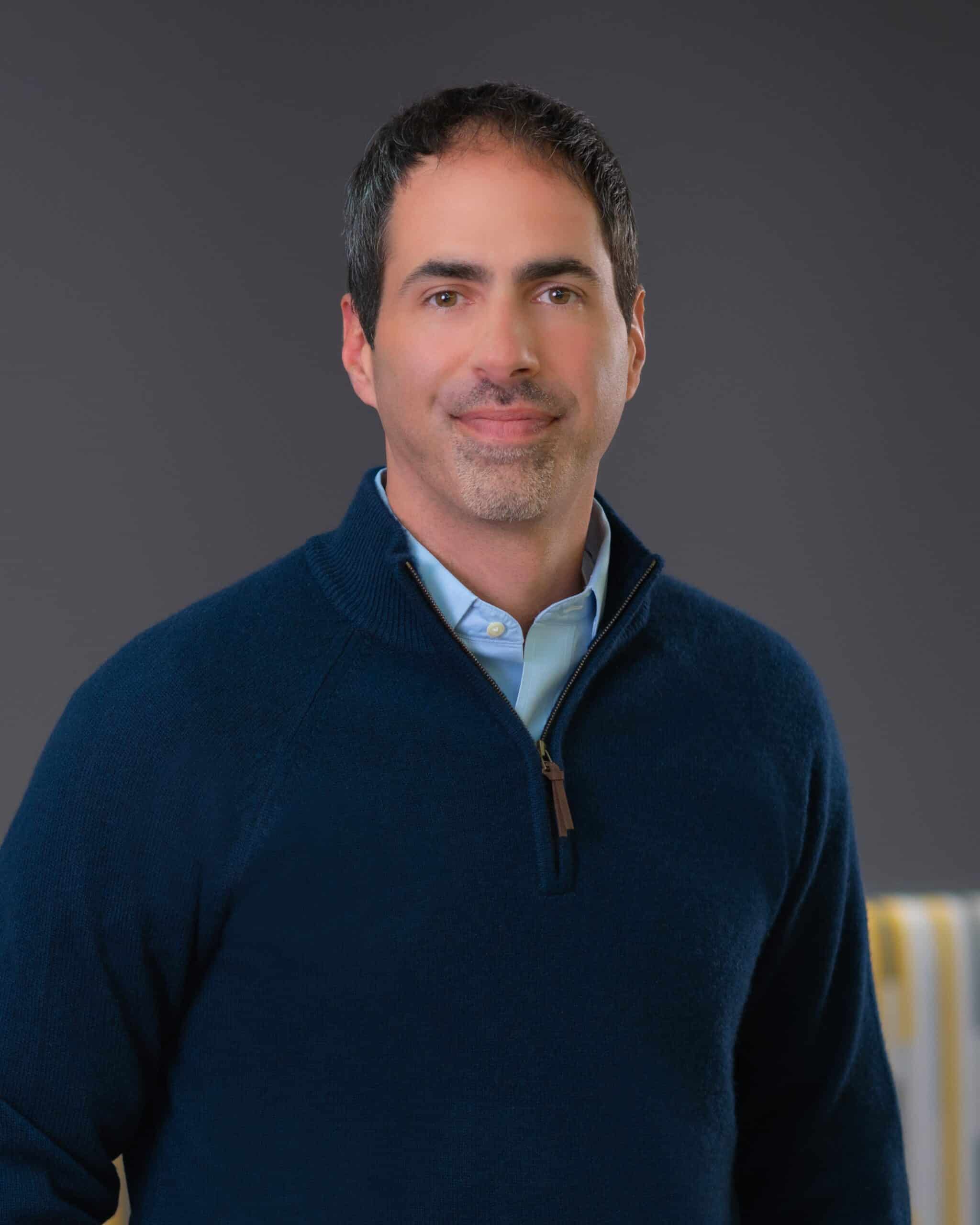
Max Axler is Synchrony’s Chief Credit Officer responsible for credit, fraud, collections, recovery and authentication analytics and strategies deployed across Synchrony’s partners and Synchrony’s bank, as well as merchant and venture underwriting. Synchrony offers the CareCredit health and wellness credit card. Prior to joining Credit, Axler helped lead the IPO of the company from GE. Axler rejoined Synchrony from GE in 2013, where he was CFO of GE’s Franchise Finance business. He joined GE upon graduating Michigan State University and was part of their Corporate Audit Staff, working in 6 different countries across 8 different GE business models.
[1] “The $2 trillion global wellness market gets a millennial and Gen Z glow-up.” McKinsey & Company. May, 2025. Retrieved from: https://www.mckinsey.com/industries/consumer-packaged-goods/our-insights/future-of-wellness-trends.
[2] 2024 ASPS Procedure Statistics Release. American Society of Plastic Surgeons, 2024. Retrieved from: https://www.plasticsurgery.org/documents/news/statistics/2024/plastic-surgery-statistics-report-2024.pdf.
[3] Healthcare Journey Research Consumers and Providers report, Synchrony, 2023. (CareCredit is a Synchrony solution.)
[4] 2 NIQ reports 7.3% Year-Over-Year Value Growth in Global Beauty Sector. NielsenIQ, 2025. Retrieved from: https://nielseniq.com/global/en/news-center/2025/niq-reports-7-3-year-over-year-value-growth-in-global-beauty-sector/.
[5] Synchrony 9th Major Purchase Study, September 2023.