Patients in Food Deserts Face Higher Complication Rates After Breast Reconstruction, Study Finds
Patients living in areas with limited access to healthy foods had higher rates of postoperative complications.


Patients living in areas with limited access to healthy foods had higher rates of postoperative complications.
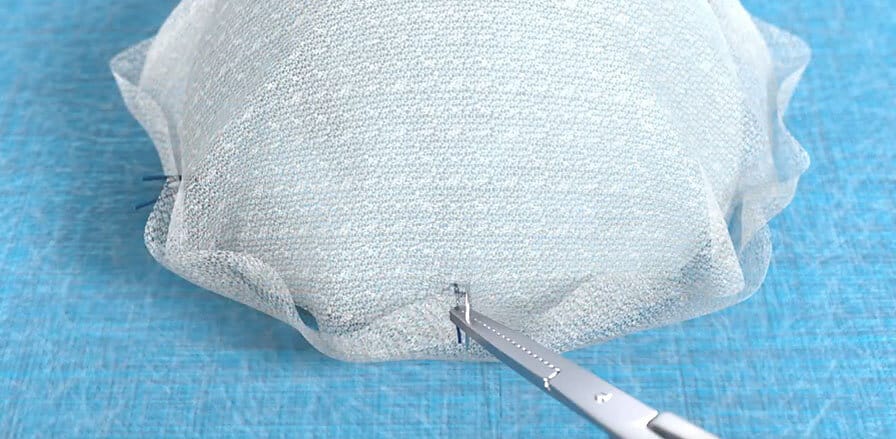
The study evaluates a bioabsorbable scaffold designed to reduce the recurrence of capsular contracture in patients undergoing revision procedures.


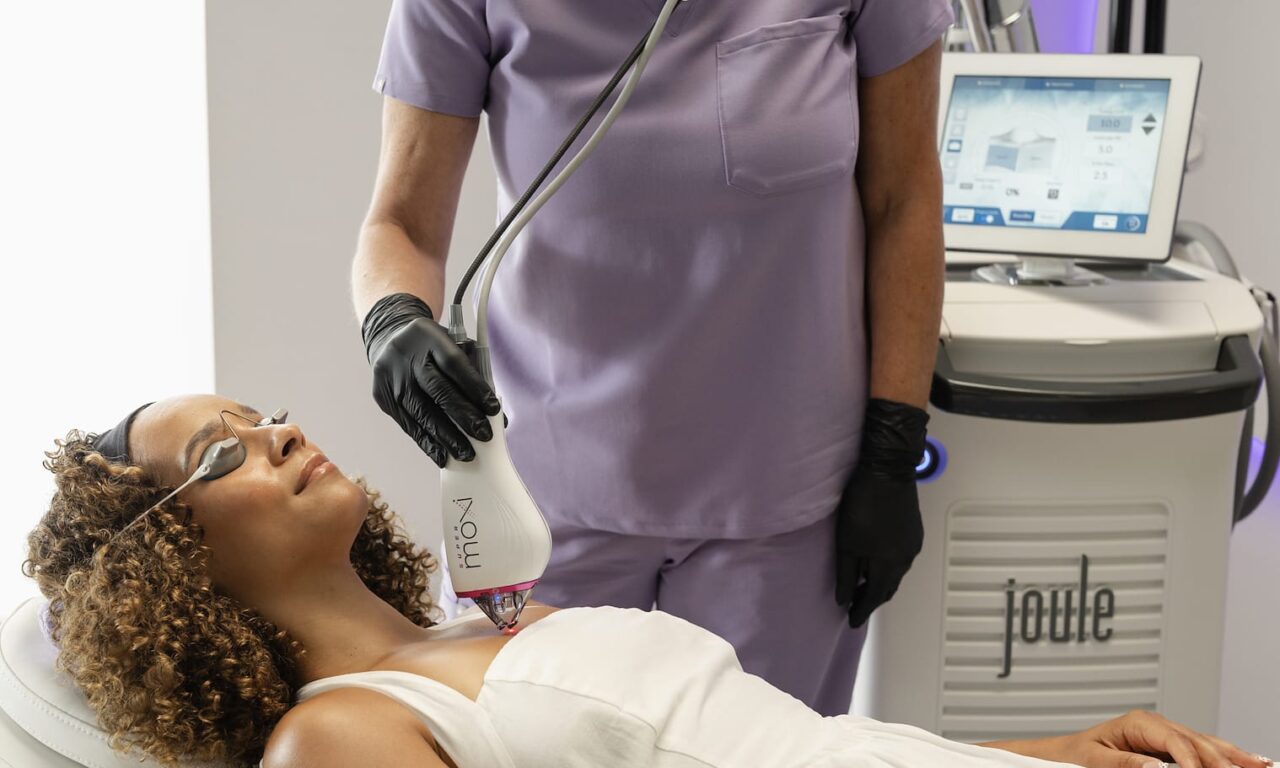
Operating with a 16W diode, the platform expands full-body skin revitalization settings across mJOULE and JOULE X systems.



The collaboration will focus on education, charitable initiatives, and programs aimed at expanding access to breast cancer reconstruction and survivor support.
Read More
The hospital has been named the world’s first Center of Excellence in oncoplastic breast surgery, recognizing its long-running program that integrates breast cancer removal and reconstruction into a single procedure.
Read More
Microbiome imbalance may affect surgical site infection risk after tissue expander placement.
Read More
The company is seeking approval in primary and revision breast reconstruction, aiming to expand its indication following a multicenter IDE study in post-mastectomy patients.
Read More
The legislation would broaden insurance coverage to encompass diverse breast reconstruction options, codify protections for all approved procedures, and mandate coverage for modern reconstructive techniques.
Read More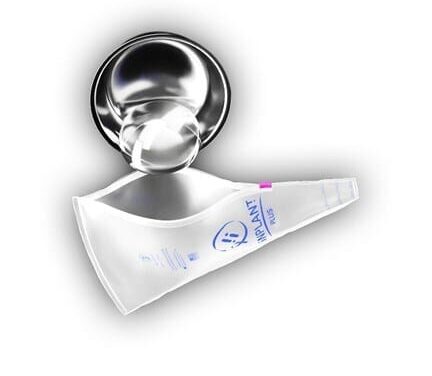
Engineered for implants up to 1500cc, the next-generation delivery system supports a “no-touch” technique to improve control, reduce friction, and minimize risks such as infection and capsular contracture.
Read More
The implant is designed to support tissue regrowth following lumpectomy and shows favorable safety and aesthetic outcomes in early results.
Read More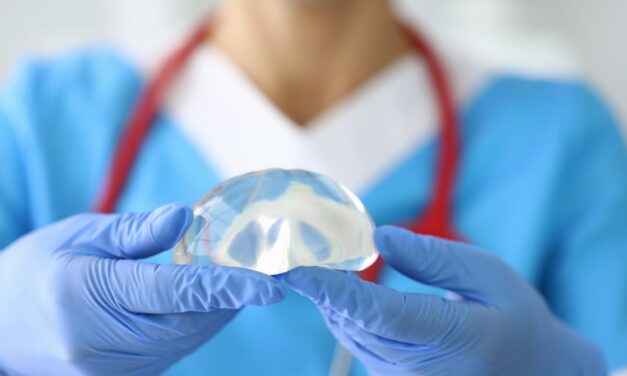
Findings suggest that tools designed to elicit patient values can improve communication and support African American women in choosing between implant-based and autologous reconstruction after mastectomy.
Read More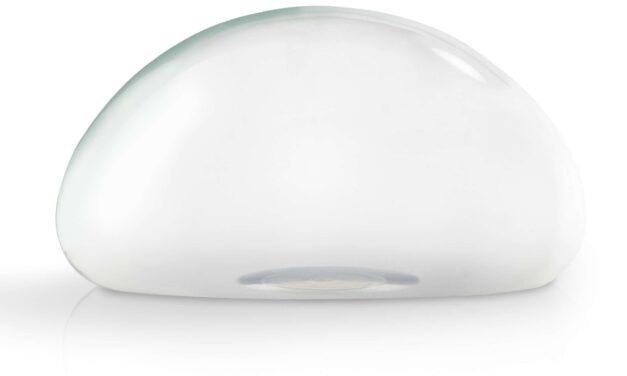
A look at the clinical need behind the MemoryGel Enhance launch—and how it’s expanding reconstructive options for patients with larger volume requirements.
Read More
More women are undergoing post-mastectomy reconstruction, but racial gaps remain.
Read More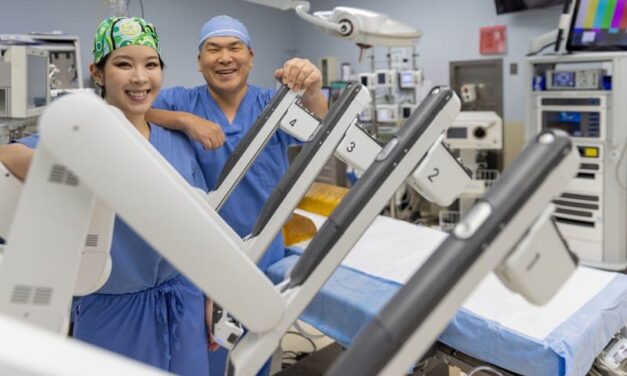
A surgical team at Rutgers and University Hospital is using robotics to improve breast reconstruction outcomes, with potential applications across other reconstructive procedures.
Read More
For women undergoing autologous breast reconstruction—reconstruction using the patient’s own tissues, rather than implants—the risks of overall and specific complications are increased at higher body mass index (BMI) levels.
Read More
TI Surgical has received U.S. FDA approval for a clinical study to assess Cortiva Allograft Dermis in breast reconstruction, a step toward obtaining FDA pre-market approval for the implants.
Read More
In this episode, Dr Elisabeth Potter, who specializes in DIEP flap breast procedures, on how the recent CMS decision ensures patients have options and why there is still more work to be done to ensure equitable access.
Read More
Women undergoing autologous breast reconstruction—in which the breast is reconstructed using the patient’s own tissues—report higher satisfaction with their breasts at follow-up, compared to those undergoing implant-based reconstruction, reports a new study.
Read More